
Measuring a door hinge correctly is essential for ensuring that the door opens smoothly, sits flush within the frame, and remains structurally stable over time. Whether you are replacing an old hinge, upgrading hardware, or installing a new door, precise measurements prevent alignment issues and unnecessary gaps. Because hinges guide all the movement of a door, even slight inaccuracies can cause sticking or sagging. High-quality hinges—such as those in the DESCOO door hinges range—are engineered to fit true to size, making accurate measurement even more important before installation.
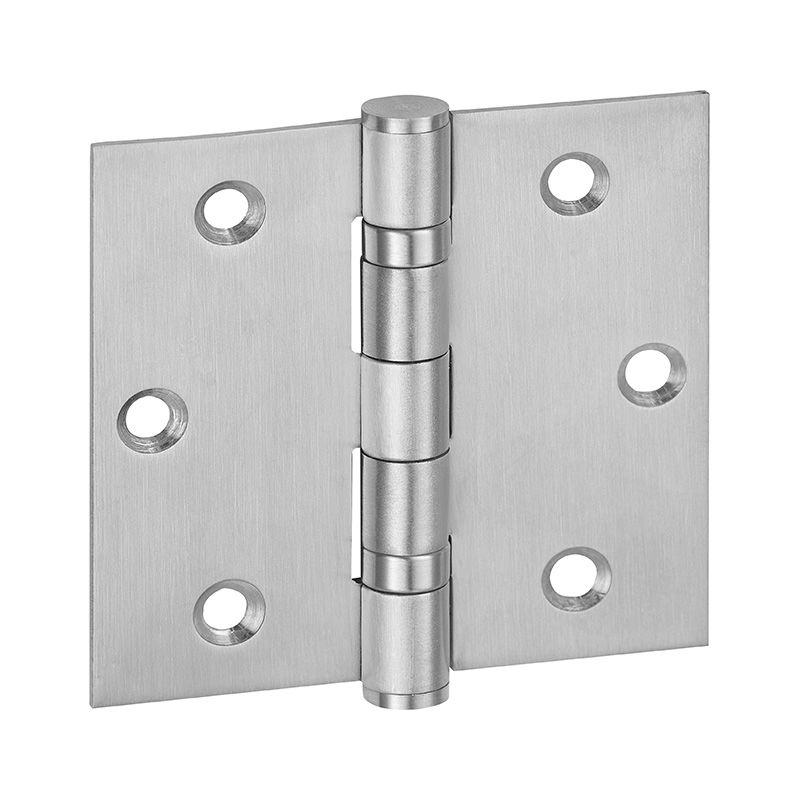
A door hinge looks like a simple component, but it contains several measurement points that determine how well it integrates with the door and jamb. The main dimensions include height, width, leaf thickness, and screw hole pattern. When replacing an existing hinge, it is crucial to match all these specifications to avoid modifying the mortise or drilling new holes in the door.
Height is measured from top to bottom, while width refers to the distance across the hinge when the two leaves are fully opened and laid flat. Leaf thickness varies based on door weight, and the screw pattern determines whether the new hinge will align with existing holes. These elements work together to support the door’s movement. Consistent sizing is one of the reasons homeowners choose durable solutions like DESCOO door hinges, which maintain reliable dimensions and structural stability.
Measuring a hinge is a straightforward process, but each step must be completed carefully to ensure the new hinge matches perfectly.
Lay the hinge flat and measure from the very top edge to the bottom. Common heights include 3", 3.5", 4", and 4.5".
Open the hinge fully so both leaves lie flat. Measure from the outside edge of one leaf to the outside edge of the other.
Use a caliper or measure visually to determine how thick each leaf is. Thin hinges suit lightweight interior doors, while thicker hinges support heavier wooden or metal doors.
Measure the distance between the holes, both vertically and horizontally. Screw spacing must match precisely to avoid drilling new holes.
The knuckle forms the hinge’s pivot point, and its length determines how the door swings. For larger or heavier doors, check the pin diameter for compatibility.
Following these steps ensures a smooth installation, especially when pairing new hinges with professionally engineered hardware like DESCOO door hinges.
Door hinges come in multiple standard sizes. Choosing the right size depends on the door’s weight, thickness, and purpose. Below is a comparison of commonly used hinge sizes:
| Hinge Size | Common Use | Notes |
|---|---|---|
| 3" (76 mm) | Lightweight interior doors | Bedrooms, bathrooms |
| 3.5" (89 mm) | Standard residential doors | Most common size |
| 4" (102 mm) | Heavy interior doors | Solid wood doors |
| 4.5" (114 mm) | Exterior doors | Frequently used for added strength |
| 5" (127 mm) | Commercial applications | Designed for high-traffic door systems |
When selecting a replacement hinge, confirm the size against your existing hardware. High-strength options like DESCOO door hinges offer dependable performance across multiple size categories, making them suitable for both residential and commercial environments.
The process of measuring door hinges differs slightly depending on whether the hinge is already attached to a door.
You will need to measure the hinge while it is still mounted:
Use a tape measure to check height from top to bottom
Open the hinge halfway to estimate width
Measure screw spacing directly from the mounted leaf
Look at leaf thickness by checking how deep the hinge sits in the mortise
This scenario offers more flexibility:
Simply lay the hinge on a flat surface for precise measurement
Choose width and thickness based on the new door’s weight
Select finish and material that match your chosen hardware system
When upgrading to premium hardware, pairing precise hinge measurements with high-quality products—such as the brushed, polished, or matte options in DESCOO door hinges—ensures a cohesive and reliable installation.
Many hinge replacement issues arise from small measurement errors. These mistakes can cause misalignment or force users to modify the existing door frame.
Frequent mistakes include:
Measuring hinge width while the hinge is partially open
Ignoring leaf thickness, resulting in uneven hinge seating
Selecting a hinge size too small for a heavy solid core door
Assuming screw holes are standardized across all brands
Overlooking knuckle projection, which may cause rubbing
Avoiding these errors ensures the door opens smoothly and relieves stress on the handle, latch, and frame. Durable hinges like those from the DESCOO door hinges series provide consistent quality that helps prevent these common problems.
After obtaining accurate measurements, the next step is selecting a hinge that matches the door’s requirements. Hinge choice should consider door weight, finish compatibility, screw layout, and long-term durability. Most residential doors use two or three hinges, while heavy or tall doors may require additional support.
When choosing a hinge, evaluate:
Correct height and width
Proper leaf thickness
Matching screw hole pattern
Finish consistency with your Door hardware
Required load-bearing strength
High-quality solutions—like the stainless steel, brass, and zinc alloy options available in DESCOO door hinges—offer a reliable match for modern interior and exterior doors, ensuring stability, longevity, and smooth operation.
Measuring a door hinge correctly involves identifying height, width, leaf thickness, screw spacing, and knuckle dimensions. Accurate measurements ensure that the hinge fits the door mortise, aligns with existing screw holes, and supports smooth movement. Avoiding common measurement mistakes and choosing a hinge with the right specifications will result in a clean, stable installation. Premium hardware solutions—such as the durable and precisely engineered DESCOO door hinges—provide dependable performance once the correct size is determined.