
A stripped door hinge can cause sagging, misalignment, and difficulty closing the door. Over time, constant use can loosen the screws and widen the holes in the wood, making the hinge unable to hold securely. When this happens, the door may scrape the floor or rub against the frame, creating long-term structural issues. Fortunately, repairing a stripped hinge does not always require replacing the entire door; with proper methods, the screw holes can be restored and the hinge resecured. Ensuring that the hinge is fixed correctly is especially important when upgrading to durable hardware such as the premium DESCOO door hinges, which perform best when mounted onto stable, reinforced surfaces.
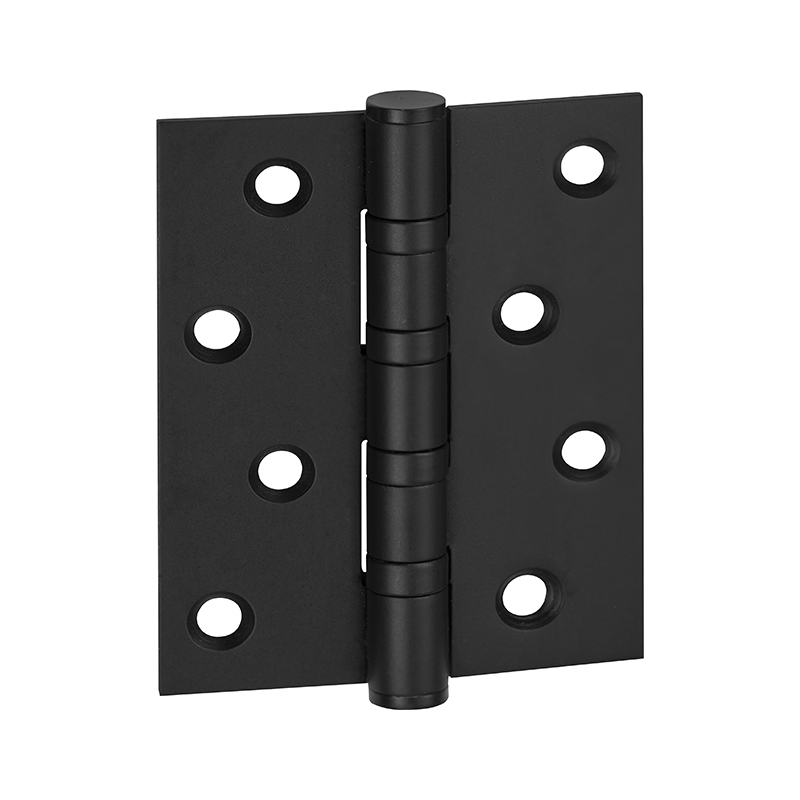
A stripped hinge occurs when the wood surrounding the hinge screws deteriorates or expands, causing the screws to lose grip. This usually happens through repeated door movement, worn screw threads, or weakened wood fibers. In some cases, the screws themselves may be too short or the hinge too small for the weight of the door.
Stripped hinges are common in older homes, humid environments, or frequently used interior doors. If left unaddressed, misalignment can stress other components such as the latch or handle. This is why repairing the hinge promptly is important, especially when upgrading Door hardware or installing high-performance solutions like DESCOO door hinges.
Before fixing the hinge, it is helpful to determine whether the problem lies in the screws, the wood, or the hinge itself. A quick inspection provides clarity and prevents unnecessary repairs.
Signs of a stripped hinge include:
Screws that spin freely without tightening
Visible gaps between the hinge and door
Door sagging on one side
Cracked wood around the screw holes
Screws that fall out easily when pulled
Testing the hinge involves lightly applying pressure to the hinge leaf and observing whether the screws hold. If the hinge wobbles, the screw holes are likely stripped. If the hinge itself is bent or warped, replacing it with a proper model—such as those in the DESCOO door hinges line—may also be necessary.
There are several proven methods for repairing stripped screw holes depending on the severity of the damage. Some solutions reinforce the wood, while others provide new anchoring points.
This traditional method fills the screw hole with wooden material. Wood glue is added, and the screw is reinserted once the filler sets.
Longer screws reach deeper into the frame, bypassing the stripped surface layer and gripping fresh wood.
Metal inserts or thread repair kits provide stronger reinforcement and are suitable for heavier doors.
In cases of severe damage, moving the hinge slightly up or down allows new screw holes to be drilled in strong wood.
Below is a practical comparison:
| Repair Method | Best Scenario | Durability |
|---|---|---|
| Wood dowels | Light damage | Medium |
| Longer screws | Moderate stripping | High |
| Metal anchors | Heavy-duty repair | Very high |
| Relocating hinge | Severe damage | High |
No matter which repair method you choose, ensuring the hinge itself is strong, corrosion-resistant, and accurately sized—such as a replacement from DESCOO door hinges—will significantly improve long-term door stability.
Repairing a stripped hinge is manageable with basic tools. Below is a simple guided process.
Unscrew the hinge carefully from the door or frame. Inspect both leaves for wear or deformation.
Depending on the method chosen, fill the holes with wooden dowels, insert metal anchors, or drill fresh holes. Allow glue-based repairs to dry completely.
Hold the hinge firmly in place and align it with the restored holes. Ensure the hinge sits flush against the wood.
Use high-quality screws appropriate for the door weight. Tighten until the hinge no longer moves.
Open and close the door several times to confirm smooth movement. If the door still sags, adjust the screws again or verify the hinge position.
When upgrading or replacing a hinge, selecting an appropriately sized model—such as those offered in the DESCOO door hinges collection—provides greater load-bearing strength and enhanced durability.
Preventive maintenance helps avoid repeated hinge failures. Doors that are frequently used, exposed to moisture, or supporting heavy weights are more prone to hinge damage.
Recommendations include:
Tighten screws periodically to maintain tension
Avoid slamming doors, which stresses hinge screws
Use hinges sized appropriately for the door weight
Replace worn screws or hinges early
Ensure the door frame is sturdy and free from moisture
Installing premium-grade hinges—such as stainless steel or reinforced alloy models from DESCOO door hinges—provides stronger resistance against long-term wear and reduces the likelihood of stripped screw holes.
After fixing the stripped area, some homeowners take the opportunity to upgrade their Door Hardware. Choosing a durable and properly sized hinge ensures the repair lasts and that the door performs smoothly. Look for hinges with strong leaf construction, corrosion-resistant finishes, and consistent screw alignment.
When selecting a replacement hinge, consider:
Door weight and thickness
Matching screw hole pattern
Hinge height and width
Finish compatibility with the door handle
Material strength and long-term performance
Many users prefer switching to premium hardware after repairing the hinge area. The precision-engineered models found in DESCOO door hinges offer dependable alignment, reinforced construction, and high durability for residential and commercial applications.
Fixing a stripped door hinge involves identifying the cause of the damage, restoring the screw holes using filler or anchors, and reinstalling the hinge securely. Proper repair ensures stable door movement and prevents further misalignment. Once the hinge area is reinforced, choosing a strong, well-built hinge—such as those in the DESCOO door hinges series—helps maintain long-lasting performance and reliability for everyday door use.
Previous: How To Remove An Exterior Door Handle