
Exterior door handles experience constant use and are exposed to weather, making them more likely to wear out, loosen, or require replacement over time. Removing an exterior handle is often the first step in upgrading home security, refinishing the door surface, or installing a new modern handle set. Although the process may seem complex, most exterior Door Handles can be removed with basic tools if the correct steps are followed. Whether you plan to replace the old handle with a stylish option from the DESCOO lever handles collection or simply repair the existing hardware, knowing the correct removal method prevents damage to the door and ensures a smooth transition to the new hardware.
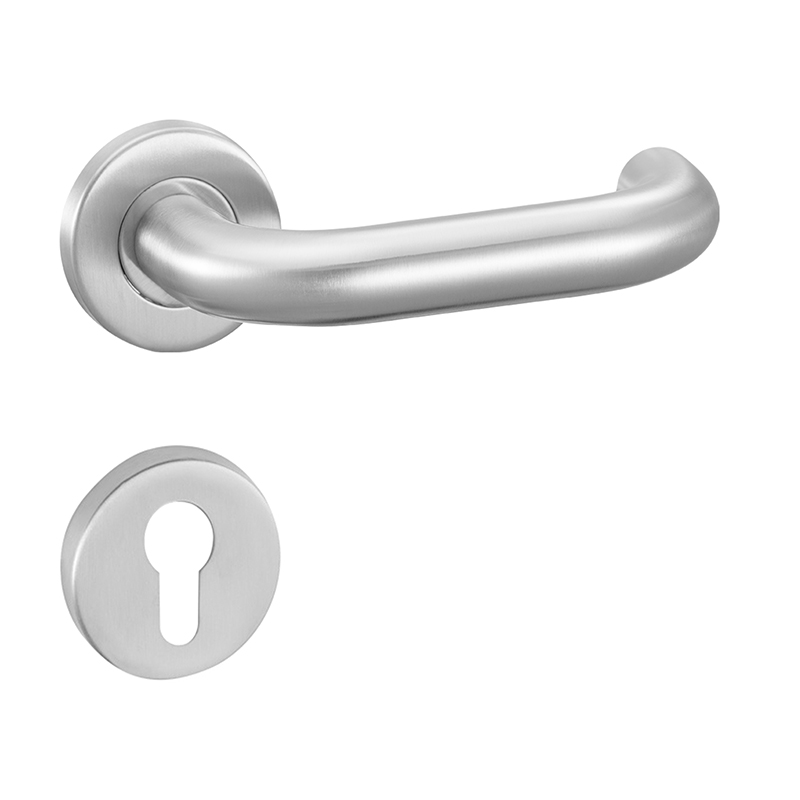
Before removing an exterior handle, it is useful to understand how the assembly is designed. Exterior door handles are built differently from interior models because they are part of the door’s security system. They include a handle or lever on both sides of the door, a latch mechanism running through the door edge, and a connecting spindle or bar that joins both sides.
Unlike interior handles, exterior units often contain additional reinforcement plates or concealed screws for security. This means the handle may not come off until certain hidden fasteners are released. Premium hardware—such as DESCOO lever handles—uses a stable mounting structure designed to ensure smooth removal and reinstallation without damaging the door surface.
Exterior door handles typically require only a few basic tools for removal. Using the correct tools helps protect the hardware and ensures you don’t scratch the door finish.
Common tools include:
Phillips screwdriver
Flat screwdriver
Allen wrench (often used for set screws)
Small pry tool or plastic trim opener
Tape to protect surrounding surfaces
If the handle includes concealed screws—common in designer hardware—you may need to remove a decorative cover plate first. Many modern models, including luxury designs similar to those in DESCOO lever handles, use this concealed style for a cleaner visual appearance.
Exterior handle removal follows a sequence, but the exact steps vary slightly by handle style. Below is a generalized process that applies to most modern designs.
Many exterior handles contain a small set screw on the underside of the lever or knob. Use an Allen wrench or screwdriver to loosen it.
Most handles must be removed from the inside before the exterior portion disengages. Unscrew the mounting screws on the interior plate.
Gently pull the handle away from the door. If a decorative plate covers the screws, use a flat tool to lift it carefully.
The spindle is a metal rod connecting both sides of the handle. Once the handles are off, the spindle slides out easily.
Pull the exterior handle straight outward. If it feels stuck, check for hidden screws or retaining clips you may have missed.
If you plan to replace the entire lockset, unscrew the latch from the door edge and slide it out.
These steps make it straightforward to upgrade to a new, durable model such as those in the DESCOO lever handles range.
Not all exterior door handles share the same structure. Some models include additional reinforcement or hidden mechanisms, especially high-security or weather-resistant designs. Understanding these variations helps avoid unnecessary force and potential damage.
Listed below are common variations:
| Handle Type | Distinguishing Features | Removal Difficulty |
|---|---|---|
| lever handle | Often includes set screws | Easy |
| Knob handle | Spindle connection may be tight | Moderate |
| Keyed entry set | Includes additional cylinder components | Moderate |
| Handle set (long plate) | May have concealed screws under decorative trim | Higher |
| Smart lock handle | Electronics must be disconnected | Highest |
If switching to a new lever design—such as high-grade options from DESCOO lever handles—it’s helpful to understand which components will be reused and which must be replaced entirely.
Removing an exterior door handle is generally simple, but mistakes can damage the door surface, strip screws, or misalign the latch mechanism. Taking precautionary steps ensures a cleaner and safer process.
Helpful tips:
Use masking tape around the area to prevent scratches
Avoid forcing the handle if it does not release—check for hidden screws
Keep removed screws organized to simplify reinstallation
Do not use oversized tools that may damage the hardware finish
Inspect the latch mechanism after removal to ensure it remains intact
These steps help maintain door integrity, especially when preparing to install a professionally crafted handle like those found in the DESCOO lever handles collection.
Once the old handle has been removed, the door must be examined for wear before attaching the new hardware. Dust, misaligned holes, or worn latch openings can impact the stability of the new handle. For the best performance, check the alignment of the backplate area and the condition of the existing screw holes.
Before installing a new exterior handle:
Clean debris from the mounting area
Confirm the latch size matches the new hardware
Ensure the screw holes are firm and not stripped
Verify spindle alignment for lever handle styles
Check that the backset measurement is compatible
High-quality replacement hardware—such as DESCOO lever handles—usually fits standard backsets and latch configurations, allowing a smooth installation after the old handle is removed.
Removing an exterior door handle involves understanding the handle’s structure, using the correct tools, loosening concealed fasteners, and disconnecting internal components such as the spindle and latch. Careful removal prevents surface damage and prepares the door for a new handle installation. Whether replacing worn hardware or upgrading to a stylish, durable alternative, the precision-engineered DESCOO lever handles series ensures a secure fit and improved functionality once the old handle is safely removed.