
A loose lever door handle can affect everyday convenience, reduce door security, and eventually damage the internal components if not addressed promptly. lever handles loosen over time due to repeated use, vibrations, or worn screws, but tightening them is often a simple task that requires minimal tools. Understanding how the mechanism works helps you restore the handle’s stability efficiently. High-quality lever handles, such as DESCOO’s lever handle series, are engineered with durable internal structures and precision screws that maintain tightness longer, reducing the frequency of adjustments. This article explains how to tighten a lever door handle safely and effectively.
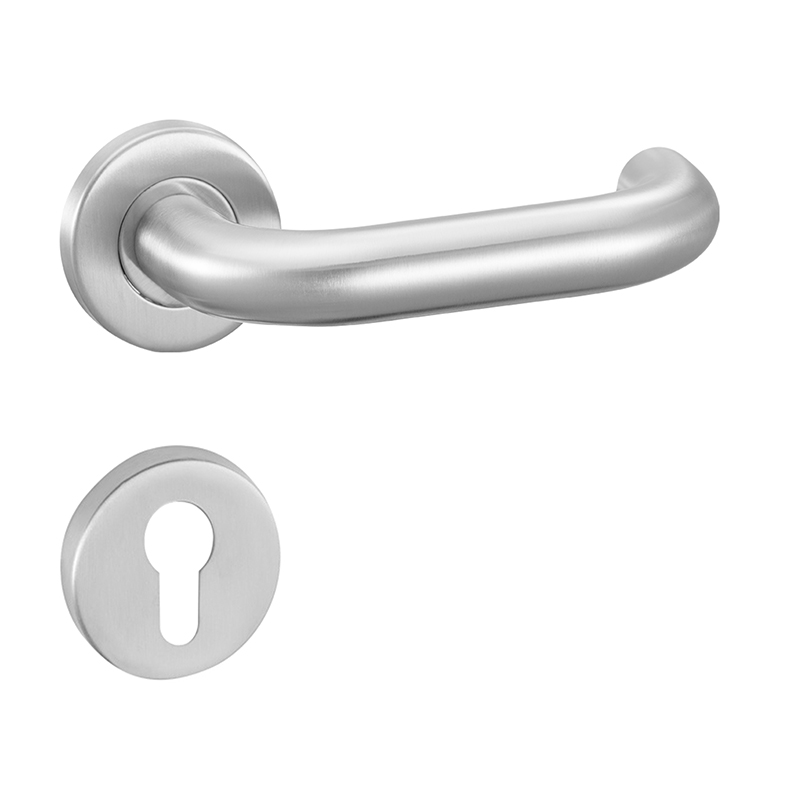
Lever handles operate through a spindle that connects the two sides of the handle through the latch mechanism. When screws loosen or the spindle shifts, the handle may wobble, making operation difficult.
Common causes include:
Frequent daily use
Temperature-related expansion and contraction
Wear on internal spring mechanisms
Improper installation
Low-quality screws or fittings
DESCOO lever handles are designed with stronger internal springs and reinforced screw connections to help minimize loosening, but proper maintenance remains essential for all handle types.
Before tightening, determine whether the handle uses:
Exposed screws (visible on the rosette or plate)
Concealed screws (hidden under a cover plate)
Understanding the mechanism ensures you access the correct tightening points. Many modern stainless-steel lever handles, including those from DESCOO’s lever handle collection, use concealed-fix systems for a clean and streamlined look, requiring removal of the decorative cover.
Most tightening tasks can be accomplished with common household tools.
Recommended tools:
Screwdriver (Phillips or flathead, depending on screw type)
Allen key (common for modern lever handles)
Soft cloth to protect the door surface
Thread locker (optional for persistent loosening)
High-precision screws used in DESCOO lever handles match standard tools, making maintenance easy and damage-free.
Many lever handles feature a decorative rose or plate that conceals the mounting screws.
Steps:
Insert a thin tool or your fingernail under the edge.
Gently pop off the cover without scratching the finish.
Expose the mounting screws beneath.
DESCOO uses well-designed snap-fit covers that can be removed smoothly, reducing risk of denting or bending the metal finish.
Now that screws are visible, tighten them evenly:
Turn each screw clockwise until snug.
Do not overtighten, which may strip the threading.
Ensure the handle base sits flush against the door surface.
If the handle uses a through-bolt system, adjust both sides evenly to maintain proper spindle alignment. DESCOO lever handles are built with reinforced mounting structures that distribute pressure evenly, maintaining long-term grip strength.
Some lever handles include a small set screw located under the lever neck. This screw keeps the handle firmly attached to the spindle.
To tighten:
Rotate the lever to locate the set screw.
Use an Allen key to tighten it.
Ensure the lever moves smoothly without wobbling.
Set screws are especially common in premium lever designs, including DESCOO models, where they provide additional stability.
Once all screws are tightened:
Snap or slide the cover plate back into place.
Check the handle for stability.
Ensure the latch operates correctly when turning the handle.
Confirm that the door closes smoothly.
Testing ensures the internal components are aligned and no parts are overtightened.
In some cases, tightening the screws may not fully resolve the issue.
Possible reasons include:
Worn spindle
Damaged internal springs
Stripped screw threads
Warped mounting plate
If components are visibly worn, replacing the handle may be necessary. DESCOO’s lever handles offer durable stainless-steel construction that resists wear and provides long-term performance, making them ideal replacements for outdated or low-quality units.
| Problem | Possible Cause | Recommended Solution |
|---|---|---|
| Wobbling handle | Loose screws | Tighten mounting screws |
| Handle dropping | Weak internal spring | Replace handle or spring mechanism |
| Lever rotates freely | Loose or missing set screw | Tighten with Allen key |
| Uneven handle movement | Misaligned spindle | Remove and reinstall handle correctly |
| Screws won’t tighten | Stripped screw threads | Replace screws or mounting plate |
This table helps quickly diagnose issues before attempting repair.
To keep lever handles secure over time:
Check screw tightness every few months.
Avoid slamming or forcefully pressing the handle.
Clean the handle regularly to prevent dirt from interfering with movement.
Use thread-locking compound if screws frequently loosen.
Choose durable stainless-steel handles with stable mechanisms, such as DESCOO’s models.
High-quality construction significantly reduces maintenance needs.
Tightening a lever door handle is a simple and effective task that restores stability and improves door performance. By identifying the mechanism, accessing the mounting screws, and adjusting the set screw, most users can complete the process in minutes. Durable hardware—like DESCOO’s lever handle series—offers long-lasting strength and reduced loosening, making them a dependable choice for home and commercial environments.
With proper care and occasional inspection, your lever door handle will continue functioning smoothly and securely.