
A butterfly door hinge is a decorative surface-mounted hinge with leaves shaped like butterfly wings. Instead of the rectangular leaf shape used in standard butt hinges, a butterfly hinge has a wider, curved profile that becomes part of the visual design. It is typically installed on the surface of the door and frame, which means it often requires little to no mortising. Because of its appearance and simpler fitting method, a butterfly hinge is commonly used on light interior doors, cabinet doors, trunks, wardrobes, and certain furniture-style openings where the hinge is meant to be seen.
Butterfly hinges are not a universal replacement for heavy-duty hinges. They are best understood as a style-driven hinge option with specific weight and application limits. This article explains what a butterfly hinge is, where it performs well, where it is not recommended, what specifications buyers should check, and how to choose a reliable hinge for consistent project outcomes. Where sourcing matters, DESCOO supplies a broad range of door hinges suitable for different door weights, environments, and design requirements.
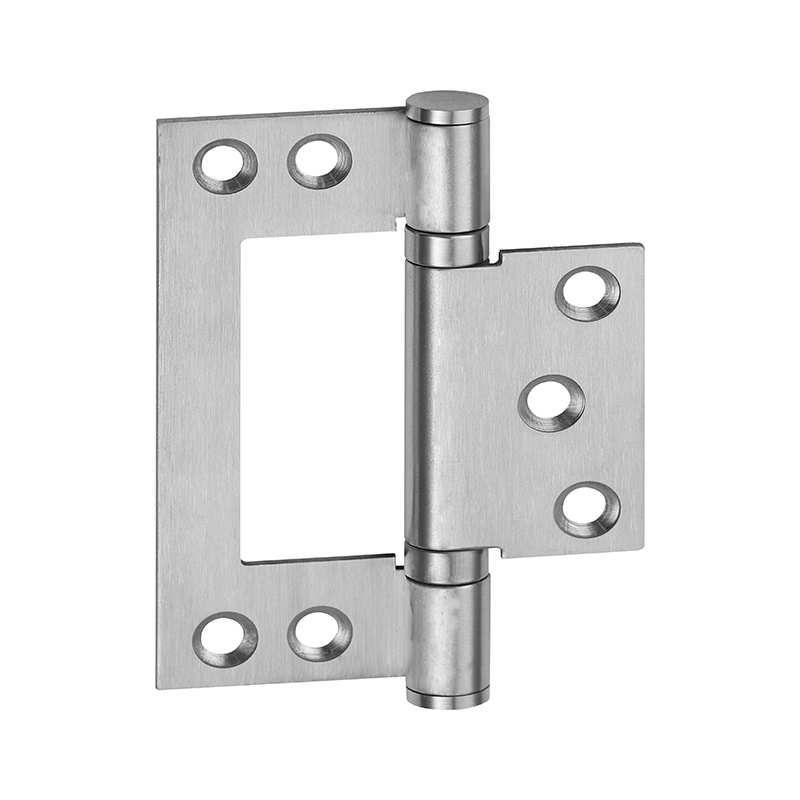
A hinge is considered a butterfly hinge because of the leaf design and the way it presents on the door surface. The leaves usually flare outward with curved edges, giving the hinge a wing-like outline. When installed, the hinge becomes a visible decorative element rather than a hidden structural component.
In practical terms, butterfly hinges are usually defined by these characteristics.
Decorative leaf profile that remains visible when the door is closed
Surface-mounted installation that may not require cutting deep mortises
Lightweight application focus where appearance and quick fitting matter
Common availability in various finishes to match interior hardware themes
The hinge still works on the same pivot principle as other hinges, with a pin acting as the axis. The difference is that the leaf shape and mounting style change the load behavior and the best-use scenarios.
A standard butt hinge is often mortised into the door edge and frame so the leaves sit flush. This supports strong load transfer and allows the door to close neatly with controlled clearance.
A butterfly hinge is commonly surface-mounted. This changes how the door sits and can slightly change the door gap and closing geometry. It also changes how load is transferred into the screws and mounting surfaces. Because the hinge is not typically embedded into a mortise pocket, the screw grip quality and the door material become more important.
For light doors and furniture applications, surface mounting is often an advantage because it reduces installation time. For heavier doors, it can become a limitation because load is concentrated on surface screws.
Butterfly hinges perform best when the door is relatively light and the hinge is selected for the correct environment and duty level.
Butterfly hinges are often used on doors where the hinge is part of the visual design. These are typically light interior doors with moderate opening cycles.
Many cabinet doors and furniture panels are well suited because they are lighter than full-size doors and the surface-mounted style is convenient for woodworking and assembly.
Butterfly hinges are popular in decorative storage items because the hinge contributes to a traditional or vintage look while remaining easy to fit.
Some light partitions or utility panels use butterfly hinges when appearance is important and load demand is low.
Butterfly hinges are not designed for every door scenario. Buyers should avoid using them as a direct substitute for heavy-duty hinges without checking capacity and installation conditions.
Heavy solid-core doors where high load is placed on the hinge pivot
High-traffic openings such as commercial corridor doors
Fire-rated doors where certified hinge types and specifications are required
Exterior doors exposed to rain, humidity, and corrosion risks without appropriate materials
Doors that require close fitting and flush alignment where surface mounting changes gap geometry
In these scenarios, a standard butt hinge, ball bearing hinge, or other engineered hinge type usually provides better long-term performance.
Butterfly hinges vary significantly by material thickness, pin stability, finish durability, and manufacturing precision. A decorative shape does not guarantee stable performance.
The hinge leaf thickness affects strength and resistance to bending. Thin decorative hinges can deform under load and cause door misalignment over time, especially if the door is not perfectly straight.
Because butterfly hinges are often surface-mounted, screw grip becomes critical. Soft wood, hollow-core doors, or thin panels may require longer screws, reinforced mounting points, or alternative hinge types.
Butterfly hinges are commonly selected for visual reasons, which makes finish consistency important. In humid bathrooms or coastal projects, corrosion resistance matters because rust increases friction and reduces appearance quality.
A hinge can look good but still feel rough. Smooth operation depends on pin alignment and consistent knuckle machining.
The table below helps buyers compare butterfly hinge suitability with common alternatives.
| Hinge type | Best fit scenarios | Main advantage | Common limitation |
|---|---|---|---|
| Butterfly hinge | Decorative and light doors, cabinets, furniture | Visible style and simple fitting | Not ideal for heavy or high-traffic doors |
| Standard butt hinge | Most interior doors | Strong load transfer and flush fit | Requires mortising in many cases |
| Ball bearing hinge | Heavy doors and high-traffic doors | Low friction and long-term smoothness | Higher cost and heavier duty design |
This comparison helps keep hinge selection aligned with real use conditions rather than appearance alone.
In multi-unit projects, hinge inconsistency causes installation delays. If leaf thickness, hole positions, or pin fit varies between batches, installers must adjust mortises and screw placement repeatedly, which increases labor and quality risk.
Project buyers typically prioritize:
Consistent hinge dimensions across shipments
Stable finishes across the same color family
Reliable machining quality that supports smooth operation
Material options suitable for different environments
DESCOO supports these requirements through its range of door hinges, providing buyers with multiple hinge solutions for different door weights and style needs.
Selecting a hinge is not only about choosing a hinge type. It is also about choosing a supplier that can provide consistent performance, stable finishes, and dependable delivery across project timelines.
DESCOO offers a broad selection of door hinges to support different applications, including decorative hinges and heavy-duty hinge solutions. For project buyers who manage residential developments, hospitality fit-outs, or commercial interiors, reliable hinge options help reduce installation variability and improve long-term door performance.
A butterfly door hinge is a decorative surface-mounted hinge shaped like butterfly wings, commonly used on light doors, cabinets, furniture, and decorative openings where the hinge is intended to be visible. It is valued for its style and often simpler installation, but it is not designed for heavy doors, high-traffic openings, or environments that demand certified heavy-duty hardware.
If you need hinge options that cover both decorative and performance-driven requirements, DESCOO provides a reliable range of door hinges to match different door types, duty levels, and project needs.