
Installing hinges on a new door is one of those jobs where accuracy matters more than speed. If hinge positions are even a few millimeters off, the door can bind, rub the frame, or sit out of level. The good news is that hinge installation is predictable when you follow a measured layout, cut clean mortises, and use the right screws in solid material. This guide walks through the full process and explains how to get a professional swing using DESCOO hardware. If you are sourcing dependable hinges for projects or replacements, start with our door hinge range designed for stable installation and long-term operation.
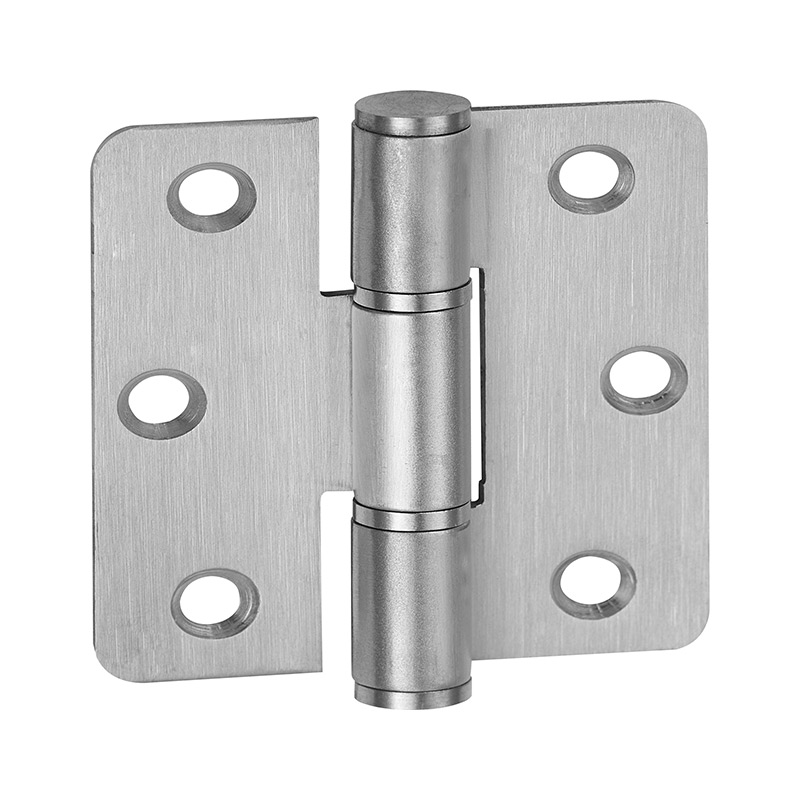
Before cutting anything, confirm the hinge type and size match the door weight, thickness, and usage level. A hinge that is too small can flex and wear faster, while an oversized hinge may not sit correctly on a narrow stile.
Match hinge size to door scale
Interior doors commonly use standard butt hinges, but the correct size depends on door thickness and weight. Heavier doors and high-traffic openings typically need larger hinges or a third hinge for better load distribution.
Confirm hinge hand and opening direction
Check whether the door will be left-hand or right-hand and whether it swings inward or outward. The hinge knuckle must face the correct direction so the door closes properly and clears trim.
Consider the environment
Bathrooms, coastal areas, and commercial spaces can accelerate corrosion. Selecting a hinge with appropriate material and finish helps preserve smooth movement and appearance.
DESCOO focuses on consistent manufacturing and quality checks so hinge leaf flatness, knuckle alignment, and pin fit remain stable across batches. That consistency reduces time spent correcting sag or uneven gaps after installation.
Prepare everything first so you can work continuously without rushing measurements.
Tape measure and pencil for layout marks
Combination square or marking gauge for consistent offsets
Utility knife to score mortise lines cleanly
Chisel set and mallet for mortising
Router with a hinge mortise jig for faster repeatable results
Drill and drill bits for pilot holes
Screwdriver or driver bit with controlled torque
Level and shims for positioning
Screws suited for the frame material and hinge holes
If you are working with hardwood, take extra care with pilot holes to prevent screw breakage and leaf shift.
If your door and frame are not pre-machined, use a proven placement that produces balanced support.
Top hinge position
A common approach is placing the top hinge about 150 to 200 mm from the top of the door to the top edge of the hinge. This location supports the door against gravity and reduces long-term sag.
Bottom hinge position
Place the bottom hinge about 200 to 250 mm from the bottom of the door to the bottom edge of the hinge. This spacing stabilizes the swing and keeps the door from twisting.
Middle hinge when needed
For heavy doors, tall doors, or high-use doors, add a third hinge centered between the top and bottom hinges. This reduces stress on the top hinge and helps maintain consistent reveals.
If you are matching existing hinges on a frame, prioritize the frame hinge locations and transfer them precisely to the new door.
Accurate marking is the foundation of a smooth installation.
Square and mark the hinge lines
Lay the door flat. Measure from the top edge and bottom edge to your hinge locations. Use a square to draw crisp lines across the door edge at each hinge position.
Mark the hinge leaf outline
Place the hinge leaf on the door edge, centered on thickness unless the door design calls for a specific backset. Trace around the leaf with a sharp pencil.
Score the perimeter with a knife
Replace the pencil line with a light knife score around the hinge leaf outline. Scoring prevents tear-out and helps your chisel seat precisely on the line.
Mark the mortise depth
The mortise depth should match the hinge leaf thickness so the leaf sits flush. If the hinge sits proud, the door may bind. If the hinge sits too deep, the reveal can widen and screws can lose holding strength.
You can mortise by chisel or router. A router jig is best for repeatability across multiple doors.
Set the depth
Use the hinge leaf as a reference. Mark the thickness on the door edge as a visual guide.
Chop the waste
Make small chisel cuts inside the scored outline, working gradually to depth. Keep the chisel bevel oriented to control the cut and avoid undercutting the perimeter.
Pare to the score lines
Work from the center outward, then finish by paring exactly to the knife score. The goal is a flat mortise floor and crisp edges.
Test fit
Place the hinge leaf in the mortise. It should sit flush with the door edge and not rock. If it rocks, the mortise floor is uneven and needs light paring.
Secure the door
Clamp the door stable and flat.
Use a hinge template
A hinge mortise jig keeps the mortise shape consistent, especially across multiple doors.
Route in light passes
Make shallow passes to avoid tear-out and keep the floor flat. Clean the corners with a chisel if needed.
Screw issues are one of the most common causes of loose hinges and door sag.
Drill pilot holes
Pilot holes prevent splitting and help screws drive straight. Match the pilot size to the screw core diameter, not the thread diameter.
Use controlled torque
Drive screws snug but avoid over-tightening, which can strip wood fibers and reduce long-term holding power.
Use longer screws where it matters
On the top hinge, longer screws that reach deeper structure in the frame can significantly improve resistance to sag. Make sure screw length is safe for the frame design.
Tighten in a balanced pattern
Start screws lightly, align the hinge, then fully tighten. This prevents the leaf from creeping sideways as screws bite.
If the frame is not pre-cut, the same mortising process applies.
Position the door in the opening
Use shims to set an even gap at the top and sides. Check level and plumb.
Mark hinge locations on the jamb
With the door held in place, transfer the hinge lines to the frame. Use a knife for accuracy.
Mortise the jamb
Cut the jamb mortises to the same hinge leaf thickness so the hinge barrels align and the door sits correctly.
Install hinges on the jamb
Attach the hinge leaves to the jamb with pilot holes and controlled torque, just as you did on the door.
Once both sides are prepared, you can hang the door.
Connect the hinges
With the door supported on shims, align the hinge barrels and insert the pins if removable.
Test movement
Open and close slowly. Watch for rubbing at the latch side, binding at the hinge side, and contact at the top corner.
Confirm reveals
An even gap indicates correct hinge depth and alignment. Uneven gaps usually point to mortise depth inconsistency or hinge leaf misalignment.
Use these checks to diagnose the issue without guessing.
Door binds near the top on the latch side
This often suggests hinge mortises are too deep on the top hinge or the top hinge is slightly out of alignment.
Door rubs along the hinge side
Check for hinge leaves sitting proud of the mortise or screws pulling the leaf outward.
Door sags and the latch misses the strike
Confirm the top hinge screws are tight and anchored well. Consider longer screws into stronger framing material.
Door swings open or shut by itself
The frame may be out of plumb. Verify jamb alignment before blaming the hinges.
| Checkpoint | What to verify | Why it matters |
|---|---|---|
| Hinge size and count | Matches door height, weight, and usage | Prevents sag and uneven wear |
| Layout measurements | Top and bottom hinge positions are consistent | Keeps reveals uniform |
| Mortise depth | Leaf sits flush, no rocking | Prevents binding and wobble |
| Pilot holes | Correct diameter and straight drilling | Protects wood and screw grip |
| Screw seating | Tight without stripping | Holds alignment long-term |
| Swing test | Smooth open and close, no rub points | Confirms proper geometry |
For contractors and buyers managing multiple doors, hinge consistency reduces rework. DESCOO hinges are manufactured with attention to stable fit and reliable performance, helping installers achieve repeatable results from sample to bulk. Explore our door hinge options when you need dependable hardware for residential builds, renovations, and project supply.
Putting hinges on a new door comes down to precise layout, clean mortising, and correct fastening. Measure carefully, score your lines, cut mortises to true leaf thickness, drill pilot holes, and tighten screws with control. When hinges are well-made and consistent, installation becomes faster and the finished door feels solid, quiet, and stable for the long term. With DESCOO door hinges, you get a manufacturing-focused foundation for that kind of reliable result.