
A loose lever door handle is more than an annoyance. It can cause the latch to retract poorly, create door misalignment, accelerate wear on the spindle and spring mechanism, and eventually lead to a handle that droops or fails to return to level. The good news is that most loose lever handles can be fixed with basic tools and a systematic approach, without replacing the entire lockset.
This guide explains why lever handles loosen, how to diagnose the exact source of movement, and how to tighten or repair each common failure point. It also covers preventive maintenance and selection factors that reduce loosening over long-term use. If you are sourcing durable lever handle solutions for project doors, you can reference this category: lever handle.
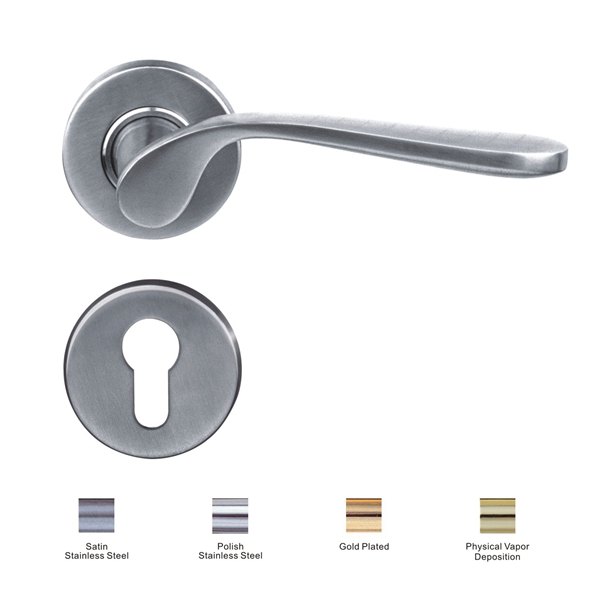
Lever handles loosen for predictable reasons. Understanding the cause helps you apply the right fix instead of over-tightening random screws and damaging the hardware.
Common causes include:
Mounting screws or through-bolts gradually loosening due to repeated turning cycles
High-traffic doors and doors with closers experience repeated vibration and torque, which can loosen fasteners over time.
The lever’s grub screw not clamping the spindle properly
Many lever handles are secured to the spindle with a small set screw. If it is not tightened onto the spindle flat, the lever can wiggle even if the roses are tight.
Worn or misaligned spindle, follower, or return spring mechanism
If internal parts wear, the lever may feel loose even when fasteners are tight. This often appears as drooping, delayed return, or uneven resistance.
Loose rose cover or incorrectly seated mounting plate
Some handles feel loose because the decorative cover moves, not the structural plate. A correct inspection separates cosmetic movement from real instability.
Door or latch misalignment causing handle binding
If the latch is rubbing the strike or the door is sagging, users apply extra force. That extra force accelerates loosening.
A proper fix starts with identifying whether the movement is in the lever itself, the rose assembly, or the door and latch system.
Before removing anything, do a simple hands-on test. This tells you which screws you need to access.
Use these checks:
Test A: Wiggle the lever up and down
If the lever moves but the rose stays still, the issue is likely a loose grub screw, worn spindle interface, or internal spring issue.
Test B: Hold the lever still and wiggle the rose or backplate
If the whole assembly shifts on the door, the mounting plate screws or through-bolts are loose, or the door holes are worn.
Test C: Turn the lever slowly and feel for scraping or uneven resistance
Binding indicates alignment issues, latch friction, or a warped door, which often leads to repeated loosening.
Test D: Check whether the lever droops below horizontal
Drooping often points to a weakened return spring cassette, worn follower, or an incorrect reassembly that prevents proper spring engagement.
Record what you observe. A loose lever handle can have multiple issues, but usually one is the primary cause.
Many lever handles use a small grub screw, usually tightened by an Allen key. If the lever itself wobbles while the rose is stable, this is often the correct fix.
Steps:
Locate the grub screw hole
It is typically on the underside or neck of the lever.
Insert the correct Allen key
Use a snug-fitting key. A key that is too small can strip the screw head, making future tightening difficult.
Align the lever correctly before tightening
Hold the lever level and push it fully onto the spindle so it seats properly.
Tighten the grub screw onto the spindle flat
Many spindles have a flat edge. Tightening onto the flat improves clamping force and reduces future loosening.
Test the lever under load
Turn the lever multiple times with normal hand pressure and re-check wobble.
If the grub screw keeps loosening, apply a suitable medium-strength threadlocker based on project maintenance standards. Avoid permanent threadlocker unless you are sure the lever will not need future servicing.
If the lever and rose move together, the handle is loose against the door surface. This usually means the mounting plate screws or through-bolts are loose.
Steps:
Remove the rose cover
Many roses are snap-on covers that conceal screws. Use a thin flat tool carefully if needed to avoid scratching.
Identify the structural screws
You may see two through-bolts running across the door or wood screws anchored into the door face.
Tighten in an alternating sequence
Tighten one side a few turns, then the other side. This keeps the plate centered and prevents uneven compression.
Stop at snug, avoid crushing the door
Over-tightening can compress wood fibers, enlarge holes, and make loosening happen faster later.
Refit the cover and re-test
Make sure the cover locks securely and does not spin. A loose cover can feel like a loose handle.
If the door holes are stripped and screws cannot bite, you may need to restore the hole integrity with appropriate repair methods or use through-bolts where possible.
A lever that droops or does not return to horizontal can feel loose even if the handle is tight. This often indicates a problem in the return spring cassette, the follower, or how the spindle engages the spring.
Steps:
Inspect the spring cassette orientation
Some lever sets require the spring module to be installed in a specific direction. Incorrect orientation reduces return force.
Confirm the spindle is the correct length and fully seated
A spindle that is too short or not centered can cause uneven load and premature wear.
Look for signs of internal wear
If the follower or spring module is worn, tightening screws will not restore the correct feel. Replacement of the spring cassette or internal mechanism may be required.
Check latch friction
If the latch is stiff, it increases the force on the handle system and can cause a lever to feel weak or droopy.
If you are maintaining high-traffic doors, resolving return-force issues early reduces long-term damage to the handle mechanism and keeps latching reliable.
Fixing a loose handle is only half the job. Preventing repeat loosening is what protects long-term performance, especially in hotels, offices, and multi-family buildings.
Best practices include:
Use the correct tightening sequence
Secure the mounting plate first, then secure the lever onto the spindle. Reversing this can leave hidden movement in the base.
Avoid over-tightening
Excess torque can damage door material and reduce the future holding power of screws.
Confirm latch and strike alignment
When doors bind, users apply extra force. That extra force transfers into the handle and screws.
Re-check fasteners after early use
After the first days of operation, minor settling can occur. A quick re-tightening often stabilizes the system.
Use compatible fasteners for the door type
Solid core doors, metal doors, and wood doors have different requirements. Through-bolts often provide better long-term stability for high-use doors.
These practices reduce callbacks and extend service life without changing the handle design.
DESCOO provides lever handle solutions designed for architectural doors where consistent daily operation and stable installation are essential. Loose handles are often the result of mismatched hardware configuration, insufficient fastening strategy, or installation conditions that do not match usage intensity. Our support focuses on reducing these issues through a practical, project-oriented approach.
Our services include:
Project-oriented selection support for hospitality and construction applications
OEM and customization service supported by a professional team
Installation guidance to help teams achieve consistent mounting and alignment
Problem-solving support for site conditions such as door thickness, spindle fit, and hardware compatibility
Solution-based supply aligned with door usage frequency and long-term maintenance expectations
To review available lever handle options and configurations, visit: lever handle.
Most loose lever door handles can be fixed by identifying whether the movement is in the lever connection or the mounting base. If the lever wobbles while the rose is stable, tightening the grub screw onto the spindle flat is usually the correct solution. If the entire assembly moves, tightening the concealed mounting plate screws or through-bolts will restore stability. When drooping or weak return is present, the spring and spindle system must be inspected, and worn internal components may need replacement.
For long-term performance, correct installation sequence, proper fastener strategy, and good latch-to-strike alignment matter as much as the handle material. When these factors are controlled, a lever handle remains solid, smooth, and reliable through high-frequency daily use.
Previous: How to Measure Door Handles?