
White doors are one of the easiest design choices to live with because they work across modern, classic, and transitional interiors. The harder decision is the handle finish. door handle colour affects how premium the door looks, how well fingerprints and scratches are hidden, and whether the hardware matches other elements such as taps, lighting, cabinetry pulls, and hinges. The right finish can make a standard white door look architectural and intentional. The wrong finish can make the door feel mismatched or visually flat.
This guide explains how to choose door handle colours for white doors based on style goals, lighting, maintenance habits, and room function. It also clarifies when lever handles or pull handles are the better fit. DESCOO supplies architectural hardware for consistent finishes and dependable daily operation. Explore: lever handle and pull handle.
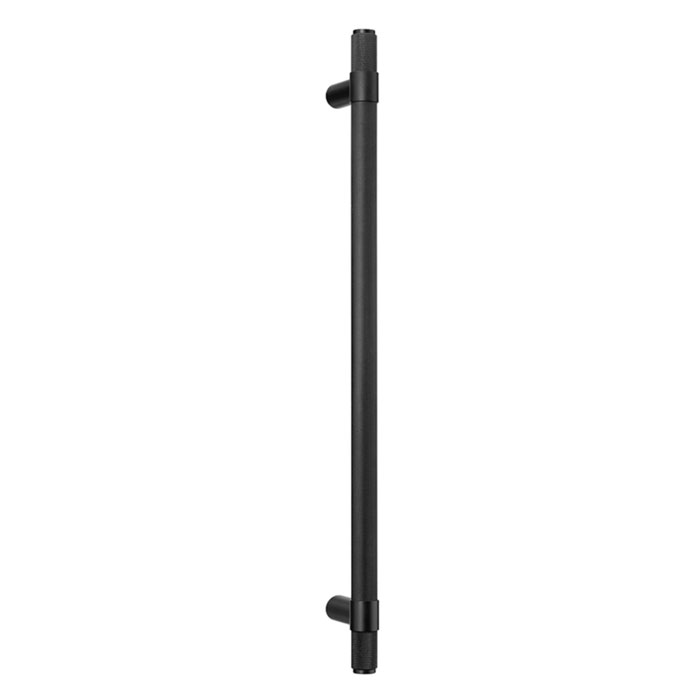
Because the door is neutral, the handle becomes one of the main visual anchors. Before choosing a colour, decide whether you want the handle to blend in or stand out.
A blending approach works when:
You want a calm, minimal interior
The door is part of a long corridor with many openings
You want hardware to feel subtle and consistent across rooms
A contrast approach works when:
You want the door to look more premium and architectural
You want a strong modern outline against the white surface
You want the handle to visually connect with black or metallic accents in the space
This choice determines whether you should lean toward softer finishes like brushed stainless or more contrast-heavy finishes like matte black.
Matte black is often the first recommendation for white doors because it creates crisp contrast and works across many design styles. It is especially effective in modern homes, industrial-inspired interiors, and spaces with black-framed glass, dark lighting tracks, or black accessories.
Why matte black works well:
Strong contrast makes the door look intentional rather than default
Works with both warm and cool lighting without looking overly reflective
Pairs well with modern minimal furniture and dark accents
Hides small scratches better than glossy black in many cases
What to consider:
Matte black can show fingerprints as a light sheen in high-touch areas
If the room has many polished chrome elements, matte black may feel disconnected unless repeated elsewhere
For a clean modern style on white doors, a matte black lever handle is often the simplest high-impact upgrade. For larger doors, a black pull handle can create a strong architectural statement.
Satin stainless and brushed nickel are classic choices for white doors because they read as clean and professional without being too shiny. They tend to hide fingerprints better than polished finishes and feel suitable for both residential and light commercial interiors.
Why these finishes are often chosen:
Balanced look that fits modern, transitional, and functional spaces
Lower maintenance because they disguise smudges and water marks
Coordinate easily with stainless appliances and neutral fixtures
Feel appropriate for high-traffic use such as hallways and offices
What to consider:
In very warm interiors with brass lighting or warm wood tones, brushed nickel can feel slightly cool unless balanced by other metals
Satin finishes look best when the rest of the hardware story is also consistent, such as hinges, latches, and escutcheons
If you want a reliable finish for long service cycles and everyday use, satin stainless or brushed nickel is a strong default for white doors.
Polished chrome gives white doors a bright, clean look and works especially well when your interior already uses chrome taps, shower frames, and bathroom accessories. Chrome also reflects light strongly, which can make small spaces feel brighter.
Where polished chrome performs best:
Bathrooms with chrome fixtures and glass enclosures
Contemporary interiors that use glossy surfaces and bright lighting
Spaces where a clean, hotel-like look is the goal
What to consider:
Polished chrome shows fingerprints and micro-scratches more easily than satin finishes
In warmer interiors, chrome can feel slightly cold unless the room has other cool-tone metals
Chrome is a design-forward choice for white doors when the rest of the room already supports bright metallic reflections.
Brass tones are often selected when the interior has warm neutrals, wood floors, beige stone, or classic detailing. On a white door, brass can feel upscale and intentional, especially when repeated in lighting, cabinet pulls, or mirrors.
Why brass tones work:
Adds warmth and a premium visual layer to a simple white door
Supports classic, transitional, and boutique-hotel styling
Pairs well with warm whites, cream walls, and natural wood elements
What to consider:
Brass tone consistency matters. Mixing different brass shades across rooms can look accidental
In very modern minimal spaces, brass can shift the style toward decorative unless balanced carefully
If your goal is a warmer, more refined interior, brass-toned lever handles or pull handles can elevate white doors significantly.
The most practical choice is not always the most stylish. High-traffic doors experience more touch, more impact, and more frequent cleaning, so finish selection should reflect usage.
Good finish planning by room type:
Bedrooms and low-touch rooms
Aesthetic-driven finishes work well. Matte black, brass, or satin finishes can all perform well.
Bathrooms
Choose a finish that matches taps and accessories. Chrome is common, but satin stainless and brushed finishes are easier to maintain.
Kitchens and utility rooms
Satin stainless and brushed finishes often perform best because they mask fingerprints and hold up under frequent cleaning.
Commercial corridors and shared spaces
Focus on durability and consistent appearance across many doors. Satin stainless and brushed finishes are often selected for commercial-grade projects because they reduce visible wear.
For bulk order procurement, standardizing 1 to 2 finishes across a project reduces mismatch risk and simplifies long-term maintenance.
Handle colour can look different depending on whether you use a lever handle or a pull handle, because the silhouette and surface area change.
Lever handles are best when:
The door is frequently used and needs easy daily operation
You want consistent function across bedrooms, offices, and bathrooms
You need hardware that works with latch systems and standard interior prep
Explore DESCOO options here: lever handle.
Pull handles are best when:
The door is heavier, larger, or designed as a feature element
The project uses modern architectural doors, pivot doors, or statement entrances
You want a strong visual line and a premium touch point
Explore DESCOO options here: pull handle.
A practical rule: levers feel more integrated and subtle, while pulls can turn the door into a design feature, especially on white surfaces.
Choosing a handle colour is only part of the result. The finish must stay consistent across multiple doors, and the hardware must feel solid and stable after long-term use. DESCOO supplies lever handles and pull handles designed for dependable daily operation and consistent finish quality across production batches. This helps maintain visual uniformity across rooms and reduces variation risks in multi-door installations.
For commercial-grade projects and project buyer sourcing, consistent specifications and stable finishing are essential to keep the door hardware appearance uniform across a building. DESCOO supports these needs with a focused product range for different door styles and usage conditions.
Explore DESCOO hardware here: lever handle and pull handle.
For white doors, the best door handle colour depends on whether you want contrast or harmony, how much maintenance you want, and what other metals exist in the room. Matte black delivers the strongest modern contrast. Satin stainless and brushed nickel offer practical, low-maintenance consistency. Polished chrome works best when the room already uses chrome fixtures and you want a bright, crisp look. Brass tones add warmth and a premium feel in classic and warm interiors.
If you select a finish that matches the room function and standardize it across key spaces, white doors can look cleaner, more intentional, and more premium without changing the door itself.
Previous: How Do You Take Off A Door Handle?