
A door stopper looks simple, but the removal method depends on where it is installed and how it is fixed. Some stoppers screw into the baseboard, some mount to the floor, some hide a mounting plate under a cover, and spring-style hinge pin stoppers are removed in a completely different way. Removing the stopper correctly matters because the fasteners are often anchored into wood studs, masonry, or tile, and careless prying can crack trim, chip grout, or leave an oversized hole that will not hold a new stopper securely.
DESCOO offers a range of door accessories designed for residential and project installations. If you are removing a stopper for replacement, relocation, or hardware upgrades, you can review options and matching styles in our door accessories collection.
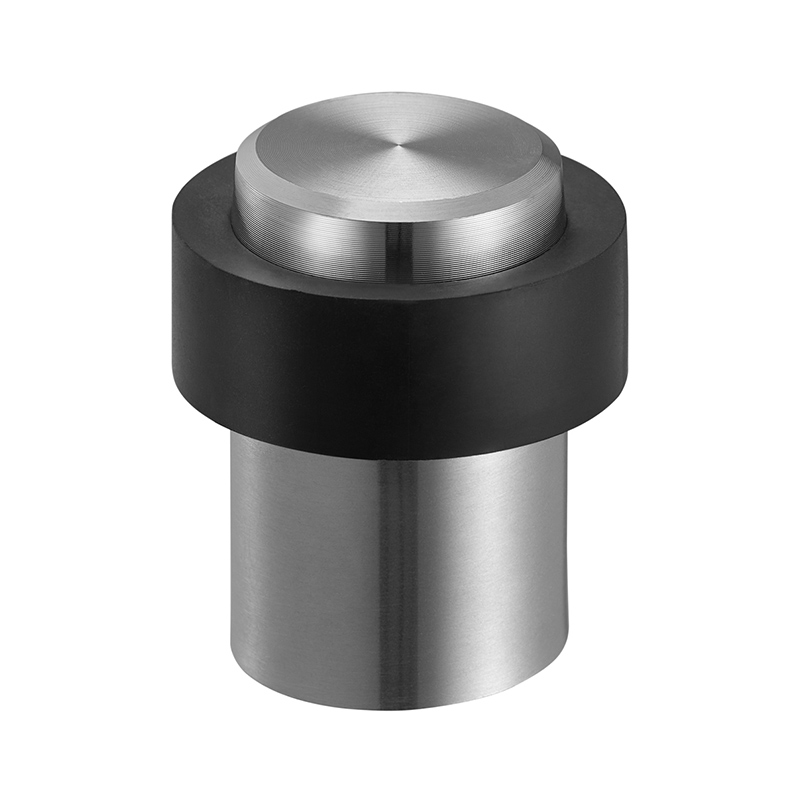
Start by checking the location and shape. A baseboard door stopper usually sits a few inches above the floor and protrudes from the wall or skirting. A floor-mounted stopper is fixed to the floor near the door swing path, often to protect a wall, cabinet, or glass panel. A hinge pin door stopper sits on the door hinge and stops movement by contacting the door or frame. Magnetic stoppers usually include a magnet body and a catch plate, so they have two parts to remove.
The easiest way to confirm the type is to look for a visible screw head, a cover cap, or a hinge-mounted clamp. Once you know the type, you can choose the correct tool and avoid twisting the mounting base, which is what usually causes damage.
Most removals require only basic hand tools. A Phillips screwdriver covers most wall and floor stoppers, while a flat screwdriver helps lift cover caps. For stubborn anchors, a small adjustable wrench or pliers can help hold the base while turning the screw. If the stopper is installed on tile or stone, use a cloth under tools to prevent scratches. Keep a small container for screws, because many stoppers use tiny fasteners that are easy to lose.
If the stopper is installed on a door that swings freely, wedge the door in a stable position. This prevents the door from pushing into your hand while you work close to the floor or hinge.
Most baseboard stoppers are attached with one long screw going into the baseboard and sometimes into a stud. Some designs have a rubber tip and a threaded body. Others have a hidden screw under a decorative cover.
First, check the front tip. Many models allow you to unscrew the rubber tip counterclockwise, which reveals the mounting screw. If the tip does not unscrew, look for a small set screw on the side of the body. Loosen it slightly, then slide off the cover to access the mounting screw.
Once you see the mounting screw, hold the stopper body with your free hand and remove the screw slowly. Holding the body prevents it from spinning and enlarging the hole. After removal, inspect the hole. If you plan to reinstall in the same spot, keep the hole clean and do not over-widen it, because a loose hole makes the new stopper wobble.
Floor stoppers are often used where a wall stopper would not align with the door handle, or where the wall finish needs extra protection. The main risk in removal is damaging flooring, especially tile, hardwood, or polished concrete.
Many floor stoppers have a center screw through the top cap. Some have a decorative cover that snaps off to hide the screw. Start by looking for a small seam or notch in the top cover. Lift the cover gently, then remove the screw beneath. If the stopper spins while you turn the screw, press down firmly and keep the screwdriver aligned to avoid stripping the head.
After the screw is removed, the stopper body lifts away, but the anchor may remain. On wood floors, the screw usually bites directly into the subfloor, so there may be no separate anchor. On tile or concrete, there is often a plastic expansion anchor. If you are not reinstalling a new stopper immediately, remove the anchor only if it is loose. If it is tight and flush, it can be left in place and capped, because digging it out can chip tile edges.
A magnetic door stopper normally includes two parts: the stopper body fixed to the floor or wall, and the strike plate fixed to the door. To remove it cleanly, remove the door plate first, then remove the stopper body.
On the door side, look for screws on the plate. Remove them and lift off the plate. On the floor or wall side, remove any cover cap, then remove the mounting screw(s). When removing magnets, keep track of small spacers or washers that set the magnet distance. Those parts are important if you reinstall the same model later.
Hinge pin stoppers are a good choice when floor drilling is not desired or when the wall is fragile. They install on the hinge, so removal focuses on safely removing the hinge pin.
Close the door slightly so the hinge is not under heavy load. Use a flat screwdriver and a hammer to tap the hinge pin upward from the bottom. Once the pin rises, pull it out with pliers. Then slide off the stopper components and reinstall the hinge pin by tapping it back down until fully seated.
If the hinge pin does not move easily, avoid excessive force. Some hinges have decorative caps or tight tolerances. In that case, apply a small amount of penetrating oil to the pin and wait a few minutes, then try again with controlled taps.
Some modern door stops use strong adhesive pads instead of screws, especially on glass doors, rental properties, and finished stone surfaces. Removal must be slow and controlled to avoid tearing paint or pulling up floor finish.
Warm the adhesive with a hair dryer for several minutes, then use dental floss or fishing line to saw gently behind the stopper base. Once it releases, remove adhesive residue with a cleaner that is safe for your surface. Avoid metal scrapers on coated floors because they can leave permanent marks.
After removal, you usually have one of two outcomes: a clean screw hole or adhesive residue. For screw holes in baseboards, wood filler or putty works well, followed by sanding and paint touch-up. For tile or stone floors, a small neutral-colored sealant can be used if you are not reinstalling a new stopper and you want the hole protected from moisture and dirt.
If you plan to reinstall a new stopper in the same location, keep the hole aligned and avoid widening it. A loose hole causes wobble, and wobble leads to repeated failure.
| Stopper Type | Where It Mounts | How It Usually Comes Off | Key Caution |
|---|---|---|---|
| Baseboard stopper | Wall or skirting board | Remove tip/cover, remove single screw | Hold body to prevent enlarging hole |
| Floor stopper | Floor near door path | Lift cover, remove center screw | Protect tile and avoid chipping |
| Magnetic stopper | Floor/wall + door | Remove door plate, then body | Keep spacers and washers |
| Hinge pin stopper | Door hinge | Tap hinge pin up, slide off | Support door, avoid bending hinge |
| Adhesive stopper | Smooth surfaces | Warm, floss cut, clean residue | Avoid ripping paint or finish |
When replacing, match the stopper style to the door swing path and the surface you can drill into. Baseboard stoppers work well for protecting walls when the stop point aligns with the baseboard. Floor stoppers are better when the wall is far away, when the door handle would hit first, or when the stop point needs to be very precise. Magnetic stoppers help keep doors open in controlled positions, which can be useful in commercial and hospitality settings. Hinge pin stoppers are a strong option when drilling is not desired.
DESCOO provides door accessories with different mounting methods and finish options to suit varied projects. You can view available models in our door accessories range.
Removing a door stopper is easy when you match the method to the stopper type. Baseboard and floor stoppers usually come off by removing a cover and one mounting screw, magnetic stoppers require removing both the door plate and the stopper body, hinge pin stoppers require lifting the hinge pin safely, and adhesive stoppers need heat and careful separation to protect the surface. Taking a few minutes to identify the type and work slowly prevents cracked trim, chipped tile, and oversized holes.
If you are replacing stoppers for a renovation, maintenance program, or multi-door project, DESCOO can help you choose the right mounting style and finish and provide practical installation guidance. Browse our door accessories and send your door type and installation surface details, and our team will recommend suitable options for stable long-term use.