
A floor door stopper is one of the simplest ways to prevent door-handle wall damage, protect hinges from over-swing stress, and keep doors from slamming into cabinets or glass panels. The key is installing it at the correct stopping point and anchoring it properly for your floor type. This guide walks through measurement, placement, drilling, and fastening so the stopper works reliably without cracking tile or loosening over time. For projects that require consistent finishing, you can explore DESCOO solutions on our door accessories page.
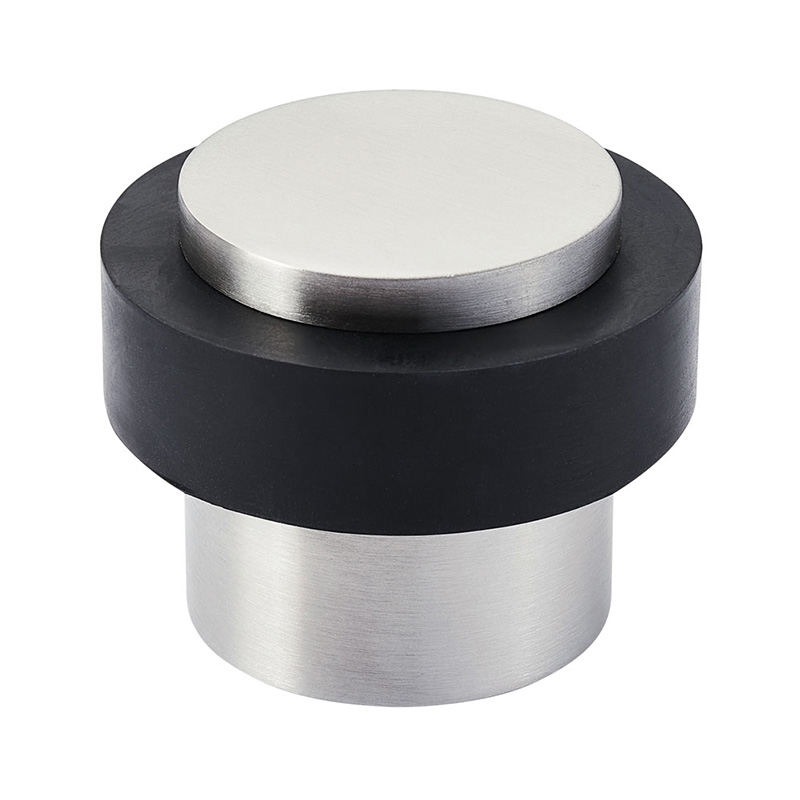
Before installation, confirm the stopper style matches the environment. A low-profile cylinder stopper works well where foot traffic is frequent. A taller or buffered model is better when the door has a long handle or when you need the stop point slightly away from the wall. In wet areas, select corrosion-resistant materials and a non-marking rubber bumper to avoid floor staining.
If you are specifying for multiple rooms or a renovation program, a custom door stopper selection can simplify consistency by keeping height, finish, and mounting method uniform across the project.
Correct placement prevents two common failures: the door still hits the wall, or the stopper blocks the door too early and causes awkward entry clearance. Open the door slowly to the maximum angle you want. Watch the door edge and handle path, then choose a stop point that prevents contact while keeping comfortable walkway space.
A practical technique is to place painter’s tape on the floor and mark the centerline where the stopper should sit. The stopper should contact a stable part of the door, typically the bottom edge. Avoid placing it where it hits fragile trim, a thin door skin panel, or a hollow section that can dent.
Your floor surface determines the drill bit and anchor style. Tile and stone require a masonry bit and controlled drilling to prevent cracking. Concrete requires anchors rated for dense substrates. Hardwood can accept wood screws, but pilot holes reduce splitting. Luxury vinyl plank and laminate often need extra care because the top layer can chip, and the subfloor may be uneven.
A durable door stopper installation is usually defined by the anchor choice more than the stopper itself. If the anchor is wrong for the floor, the stopper will loosen after repeated door impacts.
Dry-fit the stopper at the tape mark and open the door again to confirm contact point and swing clearance.
Mark the screw holes using the stopper base as a template, then remove the stopper.
Drill pilot holes suited to the substrate. For tile, drill slowly and avoid hammer mode until you pass the glaze layer.
Insert anchors if required, keeping them flush with the floor surface.
Place the base, align holes, and tighten screws evenly. Avoid over-tightening, which can crack tile or strip anchors.
Attach the stopper body and bumper, then test the door swing several times with normal force.
If the door is heavy, test with a firm push to confirm the base does not rotate. A slight rotation is a signal the anchor is undersized or the hole is too large.
Adhesive mounting is faster but should be used only on clean, smooth surfaces with low impact force. Any dust, wax, or textured floor finish reduces bonding. If you must use adhesive, clean the area thoroughly, allow it to dry, and apply pressure for the full curing time recommended by the adhesive system. Adhesive mounts are not ideal for high-traffic commercial doors or heavy solid-core doors because repeated impacts can peel the bond.
For large projects, screw-mounted solutions are typically the more practical standard because they are predictable, serviceable, and consistent.
| Floor Type | Recommended Mount | Key Note |
|---|---|---|
| Ceramic or porcelain tile | Screw + masonry anchor | Drill slowly to prevent cracking |
| Natural stone | Screw + stone-rated anchor | Avoid excessive torque |
| Concrete | Screw + concrete anchor | Use proper embed depth |
| Hardwood | Wood screw + pilot hole | Prevent splitting and squeaks |
| Laminate or LVP | Screw into subfloor when possible | Avoid chipping top layer |
Most failures come from placing the stopper too close to the hinge side, where the door force is higher, or installing it where the door hits at an angle that shears the bumper. Another common issue is ignoring the door sweep or threshold. If the door has a bottom sweep, ensure the stopper height and position do not tear the sweep.
If you are installing across multiple rooms, keep placement logic consistent. Standardizing height and stop distance improves user experience and reduces maintenance calls.
Installing a floor door stopper correctly is about accurate placement and the right anchor for the floor. Mark the stop point at the desired swing angle, choose an installation method that matches tile, concrete, or wood conditions, and fasten the base securely so it resists repeated impacts. With careful drilling, proper anchors, and a stable contact point, the stopper will protect walls and hardware for the long term.
If you are selecting door stoppers for a renovation, hospitality project, or multi-room build and want help choosing a practical and durable specification, contact DESCOO. You can browse our door accessories page and share your door weight, floor material, and finish preference. We can recommend suitable options and provide installation guidance for your application.