
A recliner pull handle may look like a small part, but once it stops working, the whole chair becomes inconvenient to use. In many cases, the problem is not the recliner frame itself. The issue is usually a loose handle, a broken plastic grip, a worn connection point, or a damaged cable link between the handle and the reclining mechanism. That is why fixing a recliner pull handle starts with understanding where the failure actually happens.
For most users, the goal is simple. The handle should pull smoothly, release the mechanism properly, and feel stable in the hand. If it feels loose, cracked, or disconnected, the repair should focus on restoring both movement and grip security. In furniture hardware, this matters because a handle is not only a decorative detail. It is a functional part that directly affects daily comfort and repeated use.
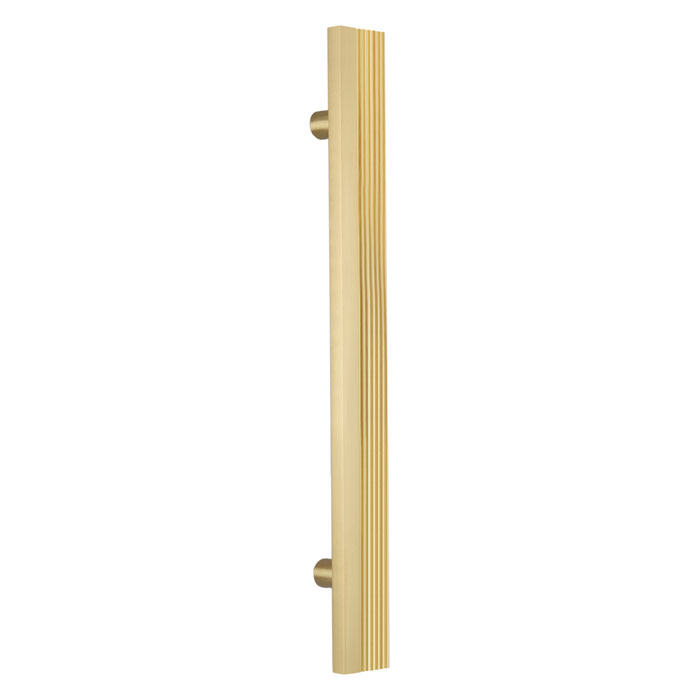
A recliner pull handle acts as the control point between the user and the reclining system. When the handle is pulled, it transfers force to the inner release mechanism so the footrest or reclining section can move. If the handle breaks, the recliner often feels stuck even though the rest of the chair is still in usable condition.
This is why the repair process should not begin with force. Pulling harder on a damaged handle usually makes the problem worse. A cracked grip may split completely, a weak fixing point may snap, or the connection behind the handle may shift out of place. It is better to stop using force first, check how the handle is attached, and then identify whether the failure is on the visible handle itself or deeper in the linkage.
The first useful step is to test the handle gently and observe how it responds. If the handle moves too freely without activating the recliner, the connection may be loose. If the handle feels stiff but does not release the chair, the issue may be inside the mechanism. If the handle itself is cracked or partly detached, the visible hardware is likely the main problem.
This distinction matters because many recliner pull handle problems are simple mechanical failures rather than full hardware replacement cases. Sometimes the fixing screws loosen over time. Sometimes the cable end slips from its original position. In other cases, the handle body wears out because it is pulled repeatedly under daily load. A good repair starts with the real weak point rather than replacing parts blindly.
Once the issue is identified around the pull handle area, the damaged part should be removed carefully. Most recliner handles are fixed in a straightforward way, usually with screws or a direct mounting connection. The important thing is to remove the handle without damaging the surrounding chair panel or the release linkage behind it.
This stage should be done slowly because the handle is often connected to a cable or internal control piece. If that connection is pulled too sharply, the repair can become more complicated. A clean removal allows the user to inspect the handle shape, measure the fixing method, and decide whether the problem is repairable or whether a replacement part is more practical.
For furniture hardware, clean removal is always important because it protects the chair structure and makes the next installation more accurate.
After removal, the handle should be checked closely. If the material has cracked around the pulling point, the safest solution is usually replacement rather than temporary patching. A recliner handle takes repeated pulling force, so a weak repair often fails again quickly.
This is where handle material becomes important. DESCOO’s pull handle range includes stainless steel and metal-based designs for doors, cabinets, sliding doors, and other hardware applications, with styles focused on grip comfort, stable structure, and different installation needs. The collection includes options such as stainless steel pull handles, long pull handles, square T pull handles, and styles suitable for residential and commercial use. :contentReference[oaicite:0]{index=0}
That matters because a pull handle should not only look right. It should also stay comfortable to grip and stable under repeated use. In any repair, it is worth checking whether the original handle failed because of loose fitting alone or because the material itself was no longer strong enough.
If the handle is still structurally sound, the next step is to reconnect it properly. This usually means tightening the fixing points, realigning the mounting holes, and checking that the pull direction matches the original movement of the recliner release. The handle should sit firmly in place and should not tilt, twist, or wobble when touched.
If the handle is damaged, replacing it is often the better option. A replacement handle should match the original mounting style as closely as possible. Grip size, fixing distance, and overall shape all matter because the user needs the handle to feel natural during use. A handle that is too small, too sharp, or poorly aligned may technically work, but it will not feel good in daily use.
On the DESCOO pull handle page, several designs are described as easy to grip, suitable for repeated opening and closing, and available in different forms and finishes. The page also notes options for bolt-through fixing, back-to-back fixing, stainless steel construction, and applications across interior and exterior doors, cabinets, closets, sliding doors, and commercial spaces. :contentReference[oaicite:1]{index=1} While these are broader pull handle categories rather than recliner-specific parts, the same hardware principle applies: stable fixing and comfortable grip are essential for reliable operation.
After reinstallation, the handle should be tested slowly. It should pull with a clear motion and should activate the reclining release without scraping, over-travel, or loose movement. If the handle works only when pulled at an odd angle, it usually means the alignment is still off.
A well-fixeD pull Handle should feel predictable. The user should not need to guess how hard to pull or where to place the hand. This is especially important in furniture because comfort hardware is judged not only by whether it functions, but by how natural that function feels in repeated use.
If the handle still feels unstable, the repair should pause there. Continuing to use a partly fixed handle can wear out the connection point again and create a larger failure later.
Many people only think about function when repairing a recliner pull handle, but the grip experience matters too. A handle is touched every day, so it should feel secure, smooth, and easy to hold. If the chair is used frequently, a weak or uncomfortable replacement will become noticeable very quickly.
DESCOO’s pull handle range emphasizes different styles, materials, and finishes across architectural and furniture hardware, including stainless steel options and OEM or ODM support for different project needs. The site also presents pull handles as suitable for both domestic and commercial purposes, with design choices ranging from modern to more decorative forms. :contentReference[oaicite:2]{index=2}
That general hardware approach is useful when thinking about recliner repair as well. A better handle is not only one that fits the hole. It is one that matches the user’s hand, suits the surrounding furniture style, and holds up to daily pulling without becoming loose again too soon.
In many cases, fixing a recliner pull handle is more practical than replacing the whole recliner mechanism. If the chair frame, seat, and reclining action are still in good condition, restoring the handle area can return the chair to normal use without major cost or disruption.
This is especially true when the problem is localized. A loose grip, worn fixing point, or broken visible handle often does not mean the whole recliner is finished. It simply means the user-facing hardware needs attention. When repaired correctly, the chair can continue to function well for a long time.
That is why hardware quality matters. A small component carries a lot of use over time, and the right replacement choice can make the repair feel much more complete.
Fixing a recliner pull handle usually begins with a simple check: is the problem in the visible handle, the fixing point, or the connection behind it. Once that is clear, the repair becomes much easier. Remove the damaged handle carefully, inspect the wear condition, reconnect or replace the part properly, and test the movement before regular use.
A good pull handle should do more than trigger the recliner. It should also feel comfortable, stable, and dependable in daily use. That is why grip shape, material strength, and fitting quality all matter during repair.
If you are comparing pull handle options or looking for hardware solutions with stronger structure, cleaner finishes, and more flexible application support, feel free to contact us. We can help you review handle styles, material choices, and practical hardware options for your project or replacement needs.
Previous: How To Pick A Locked Door Handle?