
A faulty door handle usually does not fail all at once. In most cases, it starts with small signs such as looseness, poor return action, surface wear, or a latch that no longer feels smooth. For homeowners, that is an inconvenience. For contractors, importers, and project buyers, it often means callback costs, replacement planning, and concerns about long-term hardware quality. That is why the topic of how to repair door handle matters far beyond basic maintenance.
In practice, repairing a door handle is not only about tightening screws or replacing worn parts. It is also about understanding whether the issue comes from installation, internal wear, finish damage, or a handle that was never suited to the project in the first place. In many cases, repeated repairs are a sign that the hardware should have been better specified from the beginning. This is where a solid entrance lever door handle becomes relevant. When the handle is made with durable material, stable fitting, and a practical design, the need for repair drops significantly over time.
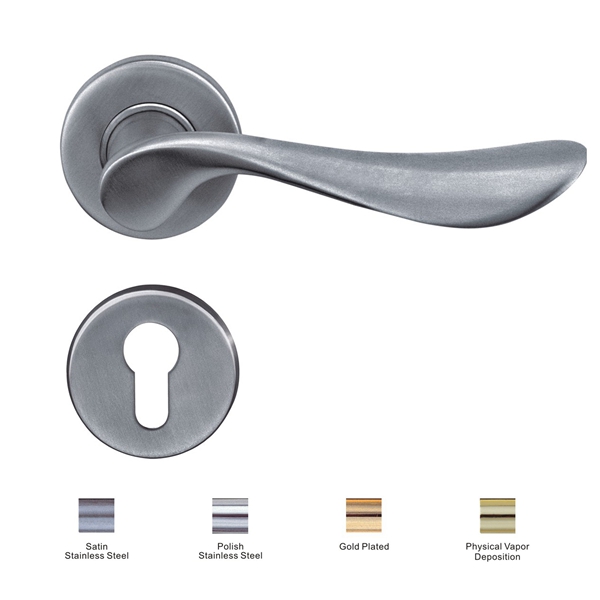
Most door handle problems come from repeated daily use. A lever handle is opened and closed many times each day, so even a small weakness in material, spring response, or connection accuracy can become obvious after months of use. The first common issue is looseness. This often happens when the handle base, spindle connection, or internal assembly begins to shift. The second issue is poor return action, where the handle no longer springs back smoothly after use. The third is surface deterioration, especially in spaces where the hardware is touched frequently.
For B-end buyers, these problems are more serious than they first appear. A loose or unstable handle affects the perception of the whole door set. In hotels, offices, schools, and residential projects, one small hardware issue can easily become a complaint about overall build quality. That is why many buyers now focus not only on style, but also on stainless steel grade, finish durability, and long-cycle performance.
When dealing with how to repair door handle problems, the first step is to identify whether the issue is structural or cosmetic. If the handle feels loose, the problem may come from fixing points, the spindle connection, or wear inside the lock set. If the lever feels heavy or does not return properly, the spring mechanism or internal matching accuracy may be the cause. If the handle still works but looks worn, then the issue is mainly about finish condition rather than function.
A proper repair should restore both usability and stability. Quick fixes may solve the problem for a few days, but they do not help much if the handle keeps loosening under normal use. For project-based buyers, this matters because every repair visit adds labor cost. In many commercial settings, the cost of repeated maintenance quickly becomes higher than the cost difference between ordinary hardware and a better-made lever handle.
Material choice has a direct influence on how often a handle needs repair. A handle made from solid 304 stainless steel usually gives buyers more confidence because it offers better corrosion resistance, stronger mechanical performance, and a more stable base for long-term use. This is especially important in entrances, interior rooms with frequent traffic, and semi-humid spaces where ordinary materials may show wear much sooner.
A well-made entrance lever door handle also performs better when the project requires both durability and appearance consistency. The advantage is not only that it looks cleaner. It is that the handle is less likely to develop looseness, deformation, or surface problems that lead to service calls later. For distributors and contractors, lower repair frequency is a practical selling point because it reduces after-sales pressure and improves customer satisfaction.
Many buyers treat finish as a design issue only, but it also affects maintenance. A polished surface may look bright, while satin and PVD finishes often perform better in reducing visible fingerprints and keeping the hardware cleaner in daily use. This can make a real difference in hotels, offices, and public-facing interiors, where the handle is touched repeatedly and appearance declines faster on unsuitable finishes.
A handle with a stable finish does not eliminate repair work, but it does reduce one common reason for premature replacement. If the product keeps its appearance longer, buyers can focus maintenance on function instead of replacing hardware early because it looks worn. In practical project terms, that extends service value and lowers long-term operating cost.
Repair issues are not caused by material alone. Handle design also matters. An ergonomic lever shape gives users better grip and smoother force transfer during opening and closing. When the handle is comfortable and easy to operate, people apply less awkward pressure to it. Over time, that reduces unnecessary strain on the internal mechanism.
This is one reason entrance lever door handles remain a practical choice for both residential and commercial projects. A well-proportioned lever does more than improve the look of the door. It helps the whole hardware set work more smoothly in daily use. For buyers managing repeated unit installations, that can reduce complaints related to stiffness, awkward grip, or inconsistent operation.
From a sourcing perspective, the real question is not only how to repair door handle issues after they happen. It is how to reduce them before the product is installed. Buyers usually care about service life, finish stability, corrosion resistance, and whether the hardware can stay reliable across different rooms or projects. If the handle performs inconsistently from batch to batch, repair risk increases even when installation is correct.
That is why many professional buyers prefer hardware that combines solid stainless steel construction, precision workmanship, and multiple finish options. It gives them more flexibility in project matching while also supporting more stable long-term use. A handle that lasts longer and stays cleaner is easier to specify again, easier to maintain, and easier to position in a competitive market.
There is also a practical limit to repair. If a handle repeatedly loosens, the return action remains poor, or the surface has deteriorated beyond acceptable project standards, replacement may be the better choice. In professional supply work, this is an important judgment. Too much repair work on lower-grade hardware does not save money. It often increases labor cost and damages confidence in the finished project.
That is why many buyers now treat hardware replacement not as a failure, but as part of upgrading the door system to a more reliable standard. A better entrance lever door handle can reduce future maintenance, improve the user experience, and support a more consistent hardware image across the project.
When considering how to repair door handle problems, the real goal should not be only to fix the immediate issue. It should also be to understand why the problem happened and how to reduce similar failures in the future. In many cases, repeated repair points to a hardware quality issue rather than a simple installation mistake.
For buyers who want a stronger long-term solution, a solid entrance lever door handle offers a more practical direction through durable stainless steel construction, stable finish options, and everyday usability. If you are reviewing lever handle options for residential, commercial, or project supply, feel free to contact us. We can help you compare styles, finishes, and hardware details, and provide practical guidance for your sourcing plan.
Previous: