
A door stopper is one of those small details people only notice when it is missing. The door swings too far, the handle hits the wall, and over time the damage starts to show. In homes it is annoying. In hotels, offices, or apartments, it quickly turns into a maintenance issue.
Installing a door stopper is not complicated, but doing it right makes a clear difference. It is not just about fixing a piece of hardware to the floor. It is about controlling how the door moves and where it stops in everyday use.
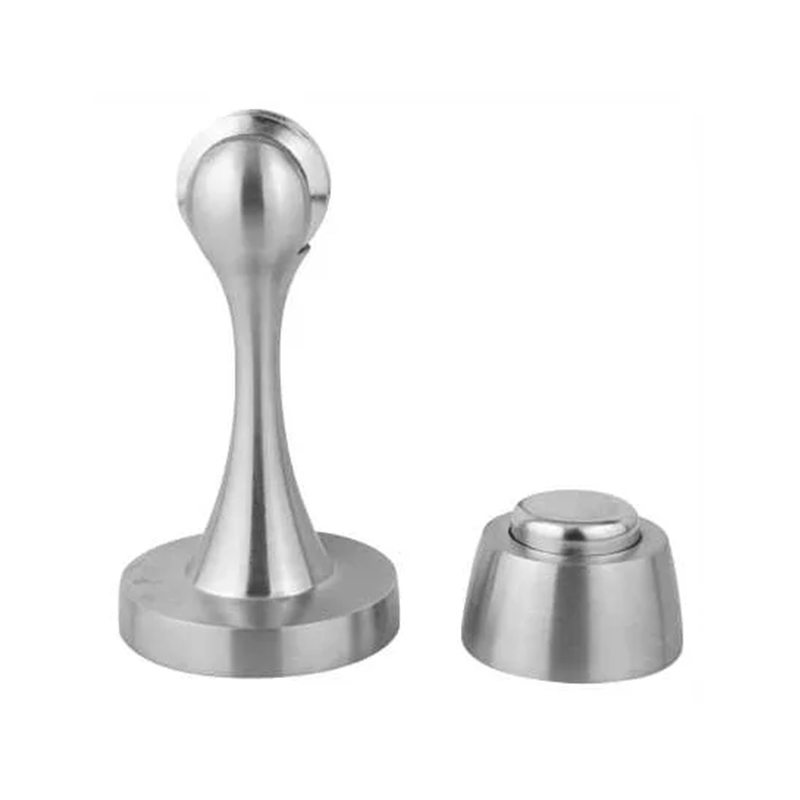
Before picking up any tools, it helps to open the door slowly and watch how it moves. The best position for a stopper is not random. It is where the door naturally reaches its open limit without touching the wall or blocking the space.
If the stopper sits too close to the wall, the handle may still hit. If it sits too far out, the door may not open comfortably. In busy spaces like offices or hotel rooms, even a small mistake here becomes obvious over time.
A magnetic design works well in this situation because it does more than just stop the door. Once the door reaches the right position, it stays there instead of swinging back.
Attaching a door stopper usually comes down to two parts: fixing the base to the floor and aligning it with the door. The important part is alignment. If the stopper and the door do not meet cleanly, the door may still stop, but it will not hold properly.
A clean installation should feel almost invisible after it is done. The base sits flat, the screws are secure, and the stopper lines up naturally with the door. There should be no need to adjust it again after a short time.
This is especially important in projects where many rooms are installed at once. Consistency matters just as much as strength.
There are different types of stoppers, but a floor mounted door stop is still one of the most practical options. It keeps the stopping point stable, protects the wall, and works well across different door types.
In many cases, a magnetic floor model makes the result even better. Instead of just blocking the door, it helps keep it open. That is useful in spaces where doors are used often or where airflow causes doors to move.
In apartments, offices, and hospitality settings, this small detail improves daily use more than people expect. The door feels controlled instead of loose.
At first, most stoppers look similar. The difference shows up after use. A weak finish starts to wear. A light structure moves slightly with repeated contact. Over time, the piece that looked fine at the beginning starts to feel out of place.
That is why many buyers prefer stainless steel. It holds its shape better, handles repeated use more easily, and keeps a cleaner look over time. In commercial environments, that matters because even small accessories affect how the whole space feels.
Finish also plays a role. Matching the stopper with other hardware such as handles and hinges makes the room look more complete without adding extra elements.
In one room, a door stopper feels like a small decision. In a project with many doors, it becomes something else. If the placement is inconsistent, the space feels uneven. If the quality is not stable, maintenance increases.
This is why experienced buyers do not treat accessories as an afterthought. They look for items that are easy to install, easy to repeat, and easy to maintain. A simple piece that works well saves time later.
For distributors and contractors, this also makes planning easier. One consistent solution can be used across different spaces instead of mixing multiple types.
Not every project needs the same finish or exact look. Some require darker tones, some lighter, and some need to match a wider hardware range. This is where flexibility becomes useful.
OEM and ODM support allow buyers to adjust details without changing the whole product direction. It might be a finish change, packaging adjustment, or matching a different hardware style.
For larger orders or long-term supply, that kind of flexibility helps keep everything aligned without adding unnecessary complexity.
The best result does not stand out. It just works. The door opens, stops where it should, and stays there. The wall stays clean, and the space feels more controlled.
That is really the goal. Not to add something noticeable, but to remove a small problem from everyday use.
So, how to attach a door stopper in a way that actually works? Start with the right position, fix it securely, and make sure it matches how the door is used in real life. A good installation protects the wall, improves movement, and makes the whole door setup feel more complete.
A floor mounted door stop is still one of the most reliable choices for this, especially when it also helps hold the door in place. If you are working on a project, sourcing hardware for multiple spaces, or looking for a supplier that can support repeat orders along with OEM or ODM cooperation, you can share your requirements with us. We can help you find a solution that fits your application.