
A door handle works in a simple way, but the way it feels in daily use depends on much more than one moving part. The hand pulls or presses, the force transfers into the fixing points and lock structure, and the door responds. When that process feels smooth, people rarely think about it. When it feels loose, awkward, or badly matched to the door, it becomes obvious very quickly.
That is why Door Handles matter more than many buyers expect. They are touched every day, seen at eye level, and judged almost instantly. In residential projects, they affect comfort and appearance. In commercial work, they also affect durability, maintenance, and how complete the whole door system feels.
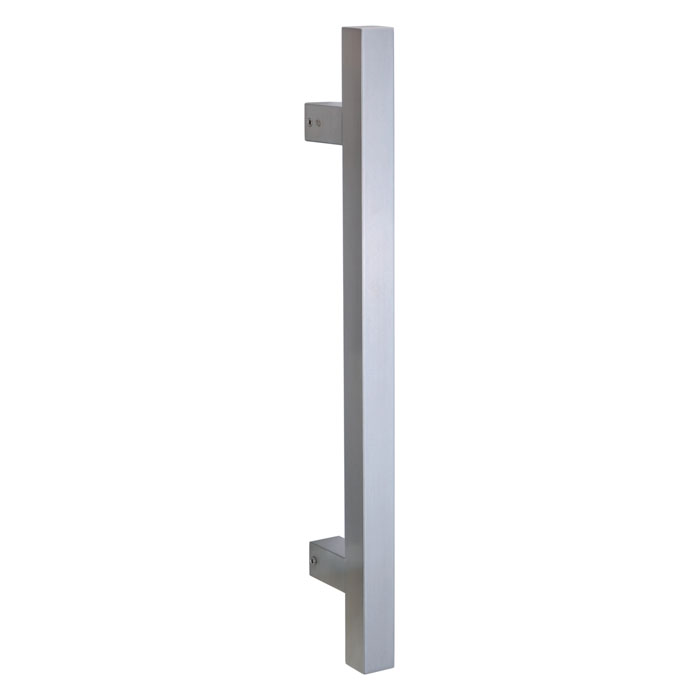
At the most basic level, a door handle gives the hand a controlled place to move the door. Some handles work by pressing down and operating a latch. Others work by pulling the door directly. What changes is not the purpose, but the way the movement is transferred.
A pull handle is one of the clearest examples. It does not need to hide the action. The user grips it, applies force, and the door opens or closes. That sounds simple, but it is exactly why shape, grip, and fixing matter so much. If the handle is too thin, too small, or badly positioned, the door immediately feels less comfortable to use.
This is where square pull designs make sense. They give a clearer grip, a stronger visual line, and a more direct relationship between the hand and the door.
A lever handle is usually connected to a latch system. A pull handle is different. It is often chosen for doors where the movement is more direct and the handle itself becomes part of the visual design of the door.
That is why pull handles are common on entrance doors, large doors, and modern interior applications. They give the door a stronger architectural look, but they also make the opening action feel simpler. The hand does not need to rotate anything. It just grips and moves.
For buyers, this matters because the handle is not only a decorative line on the surface. It changes how the whole door is experienced. A well-sized pull handle can make even a large door feel more balanced and easier to use.
A door handle works well when it matches the way people actually hold it. That sounds obvious, but it is often where low-quality hardware starts to fail. A handle may look modern in a photo, but if it does not feel natural in the hand, people notice that almost immediately.
This is one reason T-shaped pull handles stay popular. They give the hand a more stable place to grip, and they make the opening action feel more certain. On larger or heavier doors, that matters even more. The user should not feel like they are reaching for a decorative bar. They should feel like they are using a handle designed to work with the door.
A cleaner grip also helps in commercial projects, where the same handle may be used many times a day by many different people. The easier it feels to grab, the better it performs in real life.
People often think of installation as something separate from product performance, but with door handles the two are closely connected. A handle only feels right when it is fixed well. If the mounting is weak, the handle can still look good on day one and feel loose soon after.
That is why fixing method matters so much in project work. Bolt-through fixing and back-to-back fixing are both common because they help create a stronger connection between the handle and the door. That strength is not only about safety. It also affects the feeling of quality. A stable handle makes the whole door feel more solid.
For B-end buyers, this is one of the details that matters more over time than in the first sample. One loose handle on one door is a small issue. Across a project, it becomes a maintenance pattern.
A door handle is used by hand, but judged by eye at the same time. That means the material has to do two jobs at once. It has to stay strong under repeated use, and it has to keep a good appearance over time.
This is why stainless steel remains such a common choice. It gives the handle a more dependable structure and a cleaner long-term look. In modern doors, that combination matters because buyers usually want hardware that feels architectural without becoming difficult to maintain.
Finish matters too. The same handle form can feel very different depending on whether the finish is darker, brighter, softer, or more neutral. That is one reason many buyers now want finish flexibility as part of the hardware program rather than choosing one universal look for every project.
Not every door handle is meant to project outward. Some doors need a more compact hardware direction, which is why flush door handles are often used in sliding doors, minimalist interiors, and applications where the surface needs to stay cleaner and flatter.
The reason they belong in the same conversation is simple: they solve the same problem in a different way. A projecting pull handle gives more grip and stronger visual presence. A flush handle reduces projection and keeps the line of the door quieter. Buyers often compare the two because they are really deciding how visible the hardware should be and how the door should behave in the space.
For suppliers and project buyers, that comparison matters because hardware planning is rarely about one handle only. It is usually about building a complete door solution across different spaces.
A door handle is easy to like in a showroom. The harder question is whether it stays consistent from order to order, whether the finish remains stable, and whether the fixing system works cleanly across different doors.
That is why distributors, contractors, developers, and hardware buyers usually look beyond appearance. They want repeatability. They want a handle that can be specified clearly, installed with less trouble, and reordered without surprise changes. In larger work, those practical points matter more than an extra design detail.
This is also where OEM and ODM support become useful. Not every project needs a completely new design, but many buyers still want adjustments in finish, size, packaging, or matching hardware direction. A supplier that can support that kind of flexibility is often much more valuable than one that only offers standard stock with no room to adapt.
At the end of the day, a door handle works by giving people a reliable way to move the door. But what buyers are really choosing is not only movement. They are choosing how the door feels.
A good handle makes the door feel easier to use, more solid, and more complete. It helps the design look intentional, and it reduces the gap between visual style and real daily performance. That is why a well-made pull handle often does more for a door than people first expect.
So, how does a door handle work? It works by turning hand movement into controlled door movement, but the quality of that experience depends on grip shape, fixing method, material, and how well the handle matches the door itself. A better handle does more than open a door. It improves how the whole door system feels in daily use.
That is why many buyers pay close attention to pull handles when planning residential, commercial, and architectural projects. A strong square pull handle gives a cleaner look, steadier grip, and more dependable daily use, especially when supply consistency and finish matching also matter. If you are building a hardware range, planning a project, or looking for a supplier that can support repeat orders together with OEM or ODM cooperation, send us your finish preference, quantity, or project details. We can help you sort out a more suitable solution for your market.