
A door stopper plays an important role in protecting walls, improving door control, and preventing damage caused by forceful swinging. Over time, or due to installation changes, a door stopper may need adjustment to ensure proper alignment and reliable performance. Whether the stopper is mounted on the floor, wall, hinge, or door itself, the adjustment process varies based on design and usage scenario. This article explains how to properly adjust different types of door stoppers, how to troubleshoot common issues, and how high-quality hardware—such as DESCOO’s door accessories—ensures stable long-term performance.
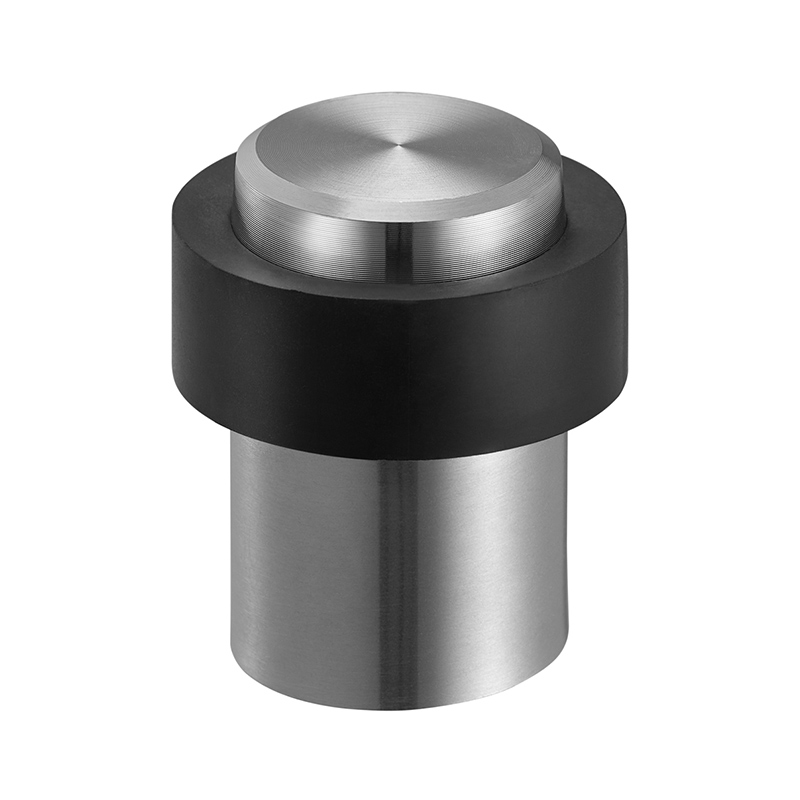
Door stoppers come in multiple styles, including magnetic models, spring-loaded types, rigid floor stops, and hinge-based versions. Adjustments depend on both the stopper’s mechanism and how the door interacts with walls or furniture. Below are detailed explanations for different adjustment scenarios.
A floor-mounted stopper typically consists of a base plate and a rubber or metal buffer. If the door does not stop at the correct angle, or if the stopper is too close or too far from the wall, adjustment becomes necessary.
First, the surrounding area should be checked for obstacles or uneven flooring. If the stopper shifts due to loose screws, tightening them may solve the issue. When the stopper position requires relocation, the screws must be removed and the stopper repositioned to a point where the door rests at the desired angle. Marking the optimal location before drilling reduces errors. Once properly placed, the stopper should align with the door without forcing it off balance or impacting the hinge movement.
Wall stops usually rely on a rubber bumper to cushion the door. If the door handle hits the wall before reaching the stopper, or if the stopper height does not match the handle impact point, adjustment is needed.
To correct alignment, inspect the mounting height. A wall stopper should be placed at the exact point where the door handle or lever meets the wall. If misaligned, it must be unscrewed and reinstalled at the correct height. Wall irregularities can also tilt the stopper, so ensuring a level installation is important for maximizing protection. If the impact feels too strong, selecting a stopper with a thicker bumper or using an adjustable-height version can improve cushioning.
Magnetic stoppers rely on the alignment between the door-mounted magnet and the floor or wall base. When these do not align perfectly, the magnet may fail to catch or release properly.
Adjustment starts with checking whether the magnet plate sits flush. If the plate on the door shifts, it can be repositioned by loosening its screws and sliding it into precise alignment with the base magnet. Similarly, the base magnet can be re-aligned so both components meet smoothly. If the magnetic force feels weak, cleaning dust or metal debris improves attraction, whereas adjusting the spring beneath the magnet can fine-tune tension.
Hinge-pin stoppers are mounted directly on the door hinge. They control how far the door swings open by adjusting a screw or rubber buffer. When the opening angle is too wide or too limited, the stopper can be fine-tuned.
To increase the stopping angle, the rubber bumper must be rotated outward. To decrease the angle, rotate the bumper inward so it engages the door frame earlier. Tightening the hinge pin ensures the stopper stays secure after adjustment. If the hinge feels loose, stabilizing the hinge screws may resolve excessive movement.
Some stoppers mount directly on the door surface. If they do not contact the wall at the correct point, slight positional changes resolve the issue. The door should be opened slowly to identify the precise impact location before re-installing the stopper. If the door stopper feels noisy or rigid during contact, switching to a soft-contact buffer reduces impact sound and protects both surfaces.
| Stopper Type | Adjustment Focus | Typical Reason for Adjustment | Notes |
|---|---|---|---|
| Floor-Mounted | Position & angle | Door hits wall or stops too early | Best for heavy doors |
| Wall-Mounted | Height & alignment | Handle misalignment | Works well for lever-handle doors |
| Magnetic | Magnet matching | Weak attraction or misalignment | Ideal for controlled holding |
| Hinge-Pin | Opening angle | Door swings too far | Simple and tool-friendly |
| Door-Mounted | Impact position | Noise or improper contact | Good for small rooms |
Door stoppers occasionally produce issues that require small adjustments rather than full replacement. Below are common concerns with practical explanations.
This usually indicates that the stopper is placed too far from the hinge side. Relocation is necessary so the stopper intercepts the door before the handle reaches the wall. Floor stops may need to move closer to the door’s swing arc.
Hard-contact stoppers may cause excessive noise. Switching to a rubber-buffer model or adjusting the contact angle reduces noise. For magnetic types, checking the internal spring helps soften engagement.
Misalignment is the most common cause. Checking both magnetic surfaces and ensuring they meet directly fixes the problem. Dust or small metal filings can also weaken attraction.
This happens when hinge screws are worn or the hinge plate is unstable. Re-tightening the hinge or using thread-locking fluid can stabilize the stopper. In some cases, replacing the worn hinge pin is necessary.
Metal bases may scratch soft flooring if the stopper shifts over time. Adding a felt pad, using a rubber-base design, or securing the screws firmly prevents movement and eliminates scratching.
Some stoppers are compatible with glass doors, but hinge-pin and adhesive-backed designs work best. Heavy drilling should be avoided. DESCOO’s accessory range includes options suitable for both wood and glass installations.
This occurs when the door’s weight exceeds the stopper’s holding capacity or when the stopper is placed at the wrong angle. Magnetic or friction-based models must align precisely with the door’s swing path for stable holding.
Adjusting a door stopper requires understanding its installation type, how the door interacts with surrounding surfaces, and how the stopper’s design regulates movement. Floor-mounted stoppers need precise distance control, wall-mounted versions need correct height positioning, magnetic models require perfect alignment, and hinge-pin stoppers rely on angle settings. Each situation has simple, practical adjustments that restore smooth function.
Through durable construction and refined mechanical design, DESCOO’s door-accessory solutions provide reliable performance for all types of installations. Whether correcting door angle, improving contact cushioning, or refining magnetic alignment, proper adjustment ensures that your door operates safely, quietly, and efficiently for years to come.