
Noise from a door handle can be surprisingly disruptive, especially in quiet environments such as bedrooms, offices, hotels, or shared living spaces. A door handle that clicks loudly, rattles, squeaks, or snaps back sharply often indicates minor mechanical issues, material friction, or lack of cushioning. Fortunately, making a door handle quieter does not require replacing the entire system—most improvements involve simple adjustments, lubrication, tightening, or upgrading specific components. Whether the hardware is a lever handle or a pull handle, understanding how the mechanism works allows you to reduce noise effectively and extend the handle’s lifespan. This article explains how to quieten a noisy door handle, why noises occur, and how to troubleshoot common problems that users encounter.
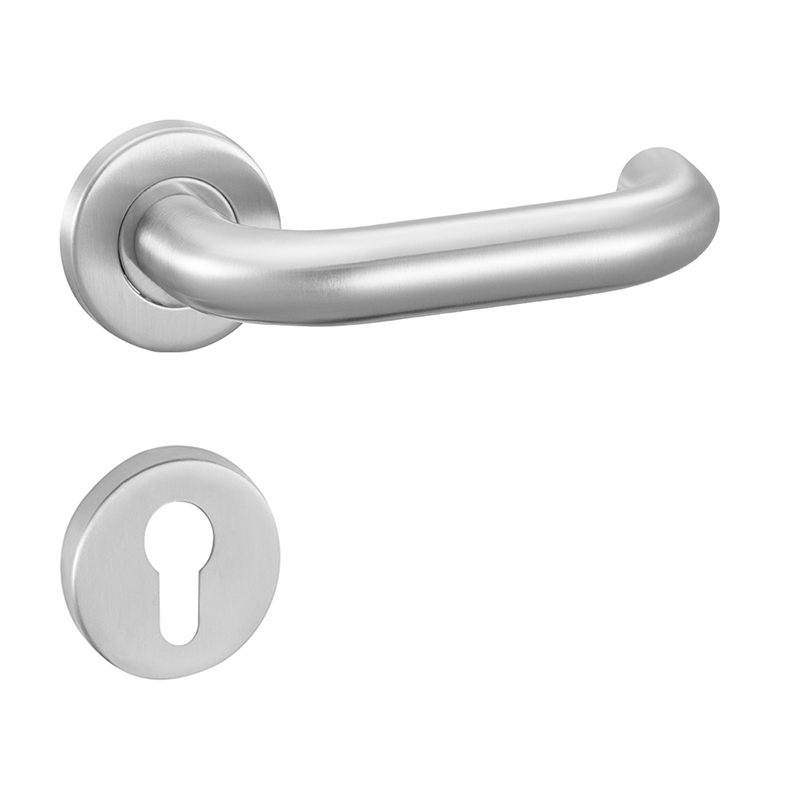
Door-handle noise generally comes from friction, loose internal parts, poor alignment, or worn components inside the latch. Addressing each possible noise source methodically ensures a quiet and smooth experience every time you open or close the door.
One of the most effective ways to reduce door-handle noise is proper lubrication. The latch bolt often rubs against the strike plate, creating squeaking or scraping sounds. A small amount of silicone-based, graphite, or PTFE lubricant applied to the latch, spindle, and internal springs significantly reduces friction.
The key is controlled application. Too much lubricant attracts dust; too little makes no difference. Applying lubricant while rotating the handle helps distribute it internally. lever handles from DESCOO feature precisely machined components that respond well to light lubrication, restoring smooth motion with minimal resistance.
Loose screws inside the handle or on the mounting plate cause rattling and tapping noises each time the door moves. Tightening the visible screws on the faceplate, rose plate, and handle arms removes vibration and restores stability. The spindle—the metal bar connecting both sides of the lever—should also be checked. If the spindle is loose, the handle may wobble or clatter against the plate.
Door Handles designed with reinforced internal structures, such as DESCOO’s lever models, are less prone to long-term loosening, but periodic checks ensure continued quiet operation.
A misaligned latch produces clicking or clunking noise as it tries to enter the strike plate at an incorrect angle. Adjusting the strike plate allows the latch to slide smoothly rather than forcing contact.
This can involve loosening the plate, shifting it by a millimeter or two, and tightening it again. If the latch still does not align, small gaps can be corrected using thin plate shims or by filing the strike plate opening. The goal is a soft, clean latch movement with no metal-to-metal collision.
Some door handles make noise when they strike the plate or when the handle springs back against the door surface. Thin felt pads, rubber bumpers, or discreet cushioning strips placed behind the handle base or under the return spring absorb impact and reduce sound transmission.
Door handles with a return-spring mechanism benefit greatly from this approach. Adding soft-touch materials does not affect handle function but dramatically reduces the noise created during operation.
Inside many lever handles is a spring mechanism that returns the handle to its resting position. Over time, springs weaken or become uneven, causing a metallic snap or noisy bounce. When this happens, replacing the spring cassette or internal spring restores a smooth, quiet return motion.
DESCOO lever handles use high-quality spring mechanisms specifically engineered for long-lasting durability, minimizing spring fatigue and reducing noise production over years of use.
Some noise does not originate from the handle but from vibration transfer through the door or frame. Adding foam insulation, acoustic tape, or soft gasketing around the frame reduces resonance and prevents amplified sound. This is especially useful in thin doors or hollow-core doors, where mechanical noise becomes more noticeable.
While many noise issues come from simple mechanical factors, some noise is unavoidable due to poor-quality hardware. In such cases, upgrading to a better engineered, precision-fit handle is the most reliable solution.
Stainless-steel lever and pull handles from DESCOO incorporate tighter tolerances, smoother internal mechanisms, and noise-minimized design, making them naturally quieter than standard hardware.
| Method | Best For | Effectiveness | Notes |
|---|---|---|---|
| Lubrication | Squeaks, friction noise | High | Quick and effective |
| Tightening screws | Rattling or loose handle | High | Prevents vibration |
| Strike plate adjustment | Clicking during latching | Medium–High | Correct alignment needed |
| Cushioning pads | Impact noise | Medium | Very useful for spring-back |
| Spring replacement | Sharp snapping noise | High | Restores smooth motion |
| Door/frame insulation | Resonance noise | Medium | Best for hollow doors |
| Handle upgrade | Persistent noise | Very High | Long-term solution |
Below are common concerns users face when trying to reduce door-handle noise. Each issue has a straightforward explanation and solution that does not repeat earlier points.
This suggests internal friction deeper inside the latch mechanism. Removing the handle and applying lubricant directly into the latch housing usually resolves the issue. In rare cases, the latch mechanism itself is worn and needs replacement.
This often indicates misalignment between the latch bolt and the strike plate. The clicking noise occurs when the latch catches the metal edge. Repositioning the strike plate or filing the latch lip smooths the contact point.
Pull handles transmit vibration through the door material. If installed on a thin panel, even small movements can cause knocking. Adding a neoprene washer behind the handle base or tightening the mounting screws reduces the vibration.
Grinding noises indicate worn internal springs or rough spindle surfaces. Replacing the spring cassette or polishing the spindle edges solves this problem. Handle models with high-precision spindles, such as DESCOO’s, experience less grinding due to smooth machining.
Excessive spring tension causes a loud and forceful return. Adding a soft buffer or replacing the spring with a less rigid version reduces impact sound. It’s important to maintain enough spring strength for proper function without causing unnecessary noise.
Houses expand and contract due to temperature changes. Slight door or frame shifts increase friction at the latch, making noise more noticeable. A small adjustment to the strike plate often solves night-time clicking.
This indicates the latch bolt edge is hitting the strike plate at high speed. Filing the latch corner into a smoother curve or adding silicone grease softens the latch impact.
Quieting a door handle involves identifying where the noise originates—friction, looseness, misalignment, spring tension, or vibration—and applying targeted adjustments. Lubricating the latch, tightening loose hardware, aligning the strike plate, adding cushioning, replacing worn springs, or insulating surrounding structures all contribute to quieter operation. In many cases, the most effective long-term fix is upgrading to a precision-engineered handle with smooth mechanical performance, such as DESCOO’s stainless-steel lever and pull handles.
By applying these practical techniques, you can eliminate unwanted sounds, extend the life of your hardware, and maintain a peaceful, comfortable indoor environment.
Previous: How To Make Door Handles Look New