
door handles are among the most frequently touched items in any home or commercial space, which means they gradually lose their shine due to fingerprints, oxidation, moisture, cleaning chemicals, and daily wear. A handle that was once sleek and stylish can begin to look dull, faded, or discolored over time. Fortunately, restoring a door handle’s original look is entirely achievable with the right cleaning and maintenance methods. Whether the handle is a lever handle or a pull handle, the process of rejuvenating it involves proper cleaning, removing tarnish, polishing the finish, restoring surface protection, and then maintaining it to keep it looking new for years.
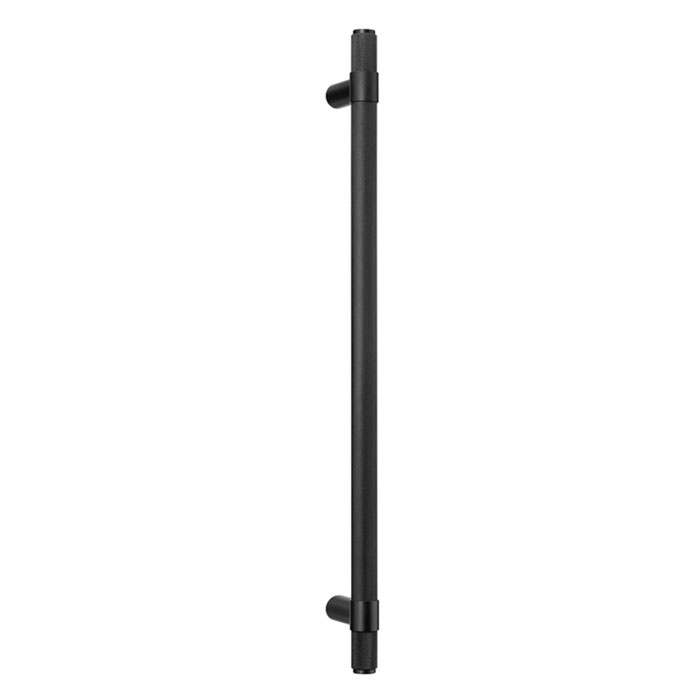
Restoring a door handle’s appearance requires understanding the material and finish. Stainless steel, zinc alloy, brass, aluminum, and coated handles each respond differently to specific cleaning methods. The goal is to remove buildup without scratching or damaging the surface. Below are the most effective ways to make door handles look new again.
The first step is removing surface dirt, fingerprints, and oils that accumulate from daily use. Warm water mixed with mild soap is the safest starting solution. A soft cloth or microfiber towel gently removes grime. Avoid abrasive pads, which can scratch polished or coated surfaces.
For stainless-steel lever and pull handles, this basic cleaning alone often restores much of their original shine. Their non-porous finish allows dirt to lift away easily, revealing a refreshed surface underneath.
Handles exposed to humidity or outdoor environments may develop oxidation or tarnish. For metal handles, a gentle metal polish helps remove this layer and brightens the finish. In cases of stainless steel, a specialized stainless-steel cleaner dissolves oxidation without damaging the protective layer. Zinc-alloy handles can also be treated with non-acidic cleaners that lift tarnish without discoloration.
If the door handle has a brushed finish, the cleaning motion must follow the grain to avoid visual streaks. This preserves the orientation of the brushed lines and keeps the appearance consistent.
After cleaning and tarnish removal, polishing enhances reflectiveness and smoothness. A metal polish or stainless-steel cream applied with a microfiber cloth helps restore the bright finish. Polishing also fills microscopic surface imperfections, making the handle feel smoother to the touch.
Lever anD pull Handles produced by DESCOO are engineered with precise surface treatments, making them respond very well to polishing. Their stainless-steel structures regain shine quickly because the material retains its brightness even after years of use.
Light scratches can make a handle look older than it actually is. Minor scratches on stainless steel can be buffed using non-abrasive polishing compounds. Brushed stainless can be refinished using fine-grain polishing pads, always following the direction of the existing grain. Deep scratches, however, require professional refinishing or replacement if the handle is coated.
High-quality handles with durable finishes—such as those offered by DESCOO—resist deep scratching, but restoring minor marks is simple with controlled polishing.
Even when the handle itself shines, grime around the base plate or near the keyhole can still make the door appear untidy. Using a cotton swab or narrow brush around small crevices eliminates hidden dirt and restores the overall cleanliness of the handle area. This small detail contributes significantly to the “like new” appearance.
Once the handle looks polished and clean, applying a protective layer helps maintain the finish. Stainless-steel protective sprays or wax-based coatings create a barrier against fingerprints, moisture, and oxidation. These coatings add a subtle shine while prolonging the handle’s fresh appearance.
Coatings are especially effective for lever and pull handles used in kitchens, bathrooms, or commercial buildings where frequent contact accelerates wear.
Sometimes the handle’s mechanism contributes to a worn appearance. Loose handles may wobble, making them look older. Tightening screws, replacing worn spindles, or updating the spring mechanism not only improves function but enhances visual appeal by ensuring the handle sits straight and firm.
If the plate or cover is scratched beyond repair, replacing those components instead of the entire handle can quickly refresh the look.
| Restoration Method | Purpose | Best Material Fit | Level of Improvement |
|---|---|---|---|
| Cleaning | Remove oil and dirt | All materials | High for light wear |
| Tarnish Removal | Remove oxidation | Stainless steel, zinc alloy | Medium–High |
| Polishing | Restore shine | Stainless steel, brass | High |
| Scratch Buffing | Reduce shallow marks | Stainless steel | Medium |
| Protective Coating | Prevent new damage | All materials | Long-term benefit |
| Component Tightening | Improve appearance | All handle types | Structural improvement |
After restoring their appearance, handles require periodic upkeep to maintain long-term brightness and structural integrity. The following maintenance tips ensure that they stay clean, smooth, and visually appealing without repeating the same processes too often.
Regularly wiping door handles with a soft cloth prevents dirt accumulation. Using mild cleaning solutions avoids damage and keeps stainless steel and coated finishes looking fresh.
Harsh chemicals strip protective coatings and dull metal finishes. Non-abrasive products designed for stainless steel or metal hardware are the safest option.
In bathrooms or kitchens, wiping moisture frequently prevents oxidation. Stainless-steel handles resist corrosion well, but long-term exposure to standing water may still leave mineral marks.
Thin protective layers applied periodically keep handles shiny and reduce fingerprints. These coatings are especially useful for high-touch commercial areas.
Over time, screws loosen due to repeated movement. Tight hardware ensures the handle stays aligned and does not tilt or wobble, preserving its clean appearance.
For outdoor doors, regular inspection ensures dirt, weather, and environmental exposure do not degrade the finish. Stainless-steel pull handles from DESCOO perform exceptionally well outdoors due to their corrosion resistance, but periodic cleaning still supports longevity.
If deep scratches, heavy corrosion, or damaged coating cannot be restored, upgrading to a new high-quality lever or pull handle provides the most dramatic improvement. Modern stainless-steel models offer refined finishing and better resistance to daily wear.
Making door handles look new involves a combination of cleaning, polishing, tarnish removal, minor scratch repair, and the use of protective coatings. These steps restore shine and cleanliness while extending the lifespan of the hardware. Regular maintenance—such as using mild cleaners, avoiding abrasives, controlling moisture, and tightening screws—keeps handles looking polished and fresh.
High-quality hardware like DESCOO’s stainless-steel lever and pull handles offers long-term durability and superior finish stability, making them easier to restore and maintain compared with lower-grade materials. With proper care, door handles can maintain their original appearance for many years, adding beauty and refinement to any interior or exterior space.
Previous: How To Install Concealed Hinges