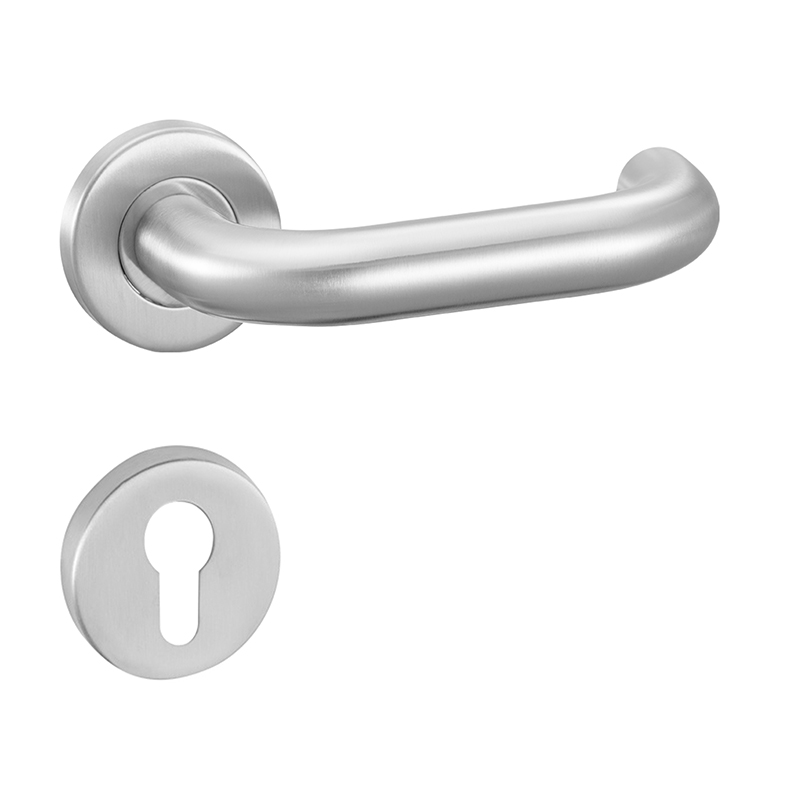
After handing over dozens of commercial and residential projects, many contractors notice a recurring pattern: the most common post-occupancy complaints are not about aesthetics, but about doors that gradually become harder to open or close. Tenants report stiff handles, maintenance teams get called repeatedly, and warranty periods turn into unexpected expense periods.
This issue is especially common with keyed lever door handles in buildings with high daily traffic.
Most binding and sticking issues don’t appear during initial installation. They develop over weeks and months as doors settle, humidity levels fluctuate, and internal components begin to wear. Low-grade springs lose tension, cheap bearings develop resistance, and slight misalignments get worse with repeated use. What felt smooth on day one becomes a daily frustration for end users and a burden for facility teams.
Successful projects focus on hidden performance factors rather than just exterior appearance when selecting keyed lever Door Handles:
Internal mechanism precision and component tolerances
Quality of return springs and load-bearing parts
Overall lever rigidity and resistance to deformation
Compatibility with real-world door conditions and lock bodies
These elements are what keep handles operating effortlessly long after the project team has left the site.
We are DESCOO. Our keyed lever door handles in the Contemporary Lever series are built with upgraded internal mechanisms and durable components precisely to address these common binding and sticking problems reported in commercial and multi-family installations.
When handles continue to operate smoothly months and years later, property managers deal with far fewer service tickets. Tenants are happier with the building’s functionality, and contractors receive better feedback during the warranty period. This attention to detail helps protect project margins and strengthens reputation for future bids.
Choosing the right keyed lever door handles requires looking beyond surface design to focus on engineering that prevents binding and sticking after installation. The payoff is smoother daily operation and significantly reduced after-sales issues.
If you’re preparing specifications for your next project and want to avoid common handle performance problems down the line, feel free to reach out. Let us know your door types, expected traffic levels, or specific concerns, and we can discuss options that have proven reliable in similar environments.