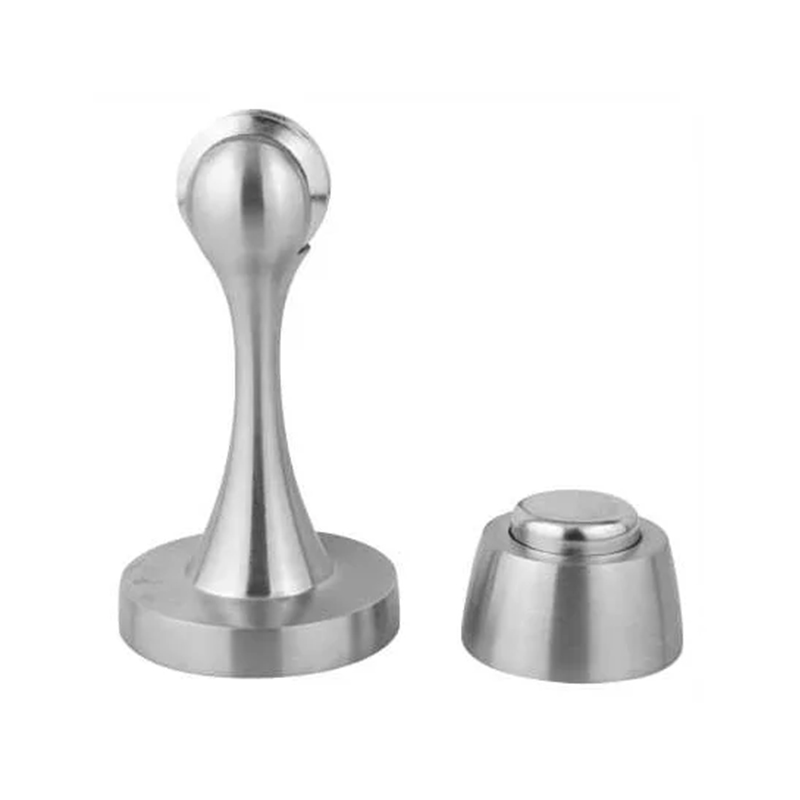
Hotel room noise complaints do not always come from elevators, corridors, or neighboring guests. In many renovation projects, a small piece of door hardware can become part of the problem. When guestroom doors swing back, hit the wall, or close with a hard impact during housekeeping and daily use, the sound can travel through quiet floors and affect guest rest.
For hotel renovation teams, selecting the right magnet door stopper floor is not only about protecting the wall. It is also about creating a calmer guestroom environment, reducing repeated impact noise, and improving the details that influence hotel reviews after check-in.
Guestroom doors are opened and closed many times during cleaning, linen replacement, inspection, maintenance, and room preparation. If the door cannot stay in a controlled open position, it may swing back because of airflow, staff movement, or uneven floor conditions.
This repeated movement creates sharp impact noise. Even when the sound lasts only a second, it can disturb guests resting in nearby rooms, especially during late check-out periods or early morning cleaning schedules.
Hotels often invest in carpets, wall panels, soft lighting, and acoustic room design. However, a noisy door stop can weaken the guest experience in a very direct way.
When a guest hears repeated door impact from the corridor or nearby rooms, the issue feels like poor maintenance. It may not be described as a hardware problem in reviews, but it can still affect comfort scores.
A magnetic door stopper works by holding the door plate to the stopper base when the door reaches the correct position. This helps keep the door open more steadily during cleaning, luggage movement, or maintenance work.
Compared with a basic stopper that only blocks impact, a magnetic type can reduce repeated swing-back. For hotels, this matters because the door is not simply stopped once. It is managed quietly through many daily operations.
Door noise often comes from hard contact between the door, wall, frame, or stopper. A better stopper should reduce the strength of that impact while still keeping the door in position.
The right magnet door stopper floor can create a more controlled stopping point, helping renovation teams reduce sharp contact noise without adding complicated door hardware.
A floor-mounted solution gives renovation teams more flexibility when wall conditions are not ideal. Some hotel rooms use wall panels, decorative finishes, or layouts where wall-mounted stoppers are not suitable.
By placing the stopper on the floor at the correct swing position, installers can control where the door stops and how the magnetic plate connects. This helps reduce repeated adjustment after room handover.
Magnetic stoppers rely on accurate alignment between the door plate and the base. If the two parts do not meet smoothly, the holding effect may weaken, and the door may still move or hit surrounding surfaces.
For hotel renovation projects, installation teams should not treat every room as exactly the same. Door weight, floor level, hinge condition, and opening angle should be checked during installation to reduce noise complaints later.
Hotel door hardware faces repeated contact every day. Low-quality materials may rust, loosen, scratch, or lose appearance after cleaning and long-term use.
stainless steel magnetic door stops are often preferred in hotel and apartment projects because they provide better resistance to corrosion and daily wear. They also match common modern door handles, hinges, and bathroom hardware finishes. For hotel projects, stainless steel magnetic stoppers are often selected because they can handle frequent door movement while maintaining a clean appearance throughout daily operation.
During hotel renovation, small hardware details affect the overall impression. A door stopper that looks mismatched, bulky, or worn can make a newly upgraded room feel unfinished.
Finishes such as satin stainless steel, black PVD, polished brass, satin brass, and other matching options can help project teams coordinate door hardware with the room design. For hotels, this visual consistency supports a cleaner and more professional renovation result.
Not every guestroom door behaves the same way. Heavier doors, stronger hinges, narrow entry areas, and different floor materials can change how the stopper performs.
Before bulk procurement, buyers should confirm door thickness, opening angle, floor material, installation distance, and expected holding strength. This helps avoid choosing a product that looks suitable in a sample but performs poorly across many rooms.
A magnetic stopper should hold the door open, but it should not make daily use inconvenient. If the magnetic force is too weak, the door may move. If it feels too strong, staff and guests may find release uncomfortable.
For project buyers comparing a floor magnetic door stopper, the key is balanced holding performance, stable installation, and quieter daily operation rather than only appearance.
Hotel renovation often focuses on visible upgrades such as furniture, flooring, lighting, and bathroom fixtures. Door hardware may look minor, but it affects how the room works every day.
A suitable magnet door stopper floor can help housekeeping teams keep doors stable, reduce sudden impact, and support a quieter room environment for guests.
It is easier to confirm stopper type, installation position, finish, and quantity before renovation reaches the final stage. This reduces rework and helps the project team keep room hardware consistent across floors.
For hotel renovation teams reviewing door hardware for upcoming projects, our team can discuss room layout, door swing conditions, finish matching, and bulk order requirements. More architectural hardware and door accessory options can be found through our website at https://www.descoo.com/, where buyers can review solutions that support quieter, cleaner, and more practical hotel room upgrades.