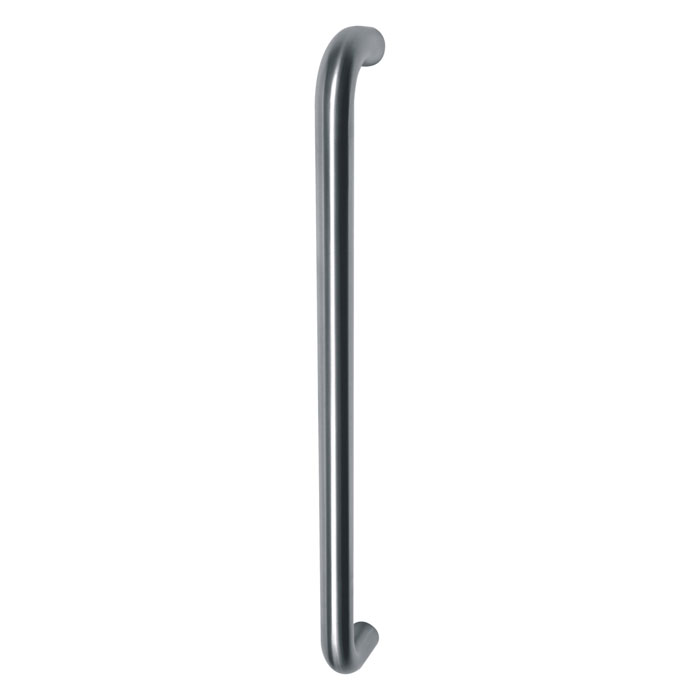
D shape pull handles are widely used in commercial buildings, hotels, offices, and high-traffic public areas. While the handle itself may be designed for durability and aesthetic appeal, mounting screws often become the weak link in bulk orders. For distributors, project suppliers, and private label buyers, weak screws can turn an otherwise reliable handle into a recurring after-sales challenge.
High-frequency door usage in commercial environments accelerates the stress on mounting screws. Even small deviations in thread quality, material strength, or torque installation can result in wobbling, tilting, or detachment over time. In hotel lobbies, office entrances, or conference rooms where doors may be opened hundreds of times per day, a loose handle can trigger immediate complaints, safety concerns, and replacement requests.
During procurement, buyers tend to focus on the handle design, finish, and ergonomics. The screws, washers, and fasteners may appear trivial, but in practice, they bear the full weight of repetitive operation. Weak screws can compromise both safety and functional stability, even if the handle itself remains intact.
Common reasons for mounting failures include:
Inconsistent Threading: Variation between batches can prevent proper tightening.
Material Fatigue: Low-grade metal or zinc alloys may bend, strip, or deform under repeated stress.
Improper Torque: Installers applying too little or too much torque can weaken the screw or damage the door surface.
Accessory Mismatches: Washers, spacers, or anchor plates may not align properly, leading to uneven pressure distribution.
These factors are amplified in bulk orders. If hundreds of handles are installed across multiple doors and projects, a single batch with weaker screws can generate multiple complaints and increase warranty costs.
For project suppliers and distributors, weak screws can create cascading operational challenges:
Warranty and Replacement Costs: Each defective handle may require on-site repair or replacement, adding labor and shipping costs.
Delayed Project Completion: High-profile commercial or hotel projects may experience delays if several doors require rework.
Customer Dissatisfaction: Contractors, building managers, and end-users may lose confidence in the supplier, reducing repeat orders.
Brand Impact for Private Label Buyers: For private label products, hardware failures can negatively affect brand perception and future sales.
Even when defects are not widespread, the administrative and logistical burden of addressing these issues is significant.
To minimize risk:
Verify Screw Quality: Confirm tensile strength, material grade, and thread consistency before ordering.
Batch Testing: Randomly test screws in real door installations to simulate commercial use.
Installation Guidelines: Provide recommended torque and assembly instructions for installers.
Maintenance Recommendations: Include inspection schedules for high-traffic doors to prevent gradual loosening.
Supplier Communication: Discuss any potential installation or environmental factors that could affect performance, such as humidity, door material, and traffic frequency.
Proper evaluation before bulk orders ensures that the handle system, including screws and mounting components, maintains reliability throughout its service life.
Commercial doors vary in thickness, material, and reinforcement. Screws that work well on standard interior doors may underperform on reinforced glass, metal-clad, or high-density wood doors. Buyers should review the intended door type and weight before approving bulk shipments.
Environmental factors such as temperature, humidity, and cleaning chemicals can also impact the longevity of screws. Corrosion or rust from moisture exposure can weaken fasteners, particularly in hotels, hospitals, and coastal regions.
Screws and small components may shift during transportation if packaging is not carefully designed. Improper separation of washers, spacers, and screws can result in missing or damaged parts upon arrival. Buyers should verify packaging protocols, including:
Individual component protection
Carton strength and stacking considerations
Labeling for easy verification at installation
Moisture-resistant inserts for humid shipments
Effective packaging reduces the risk of installation issues and after-sales complaints.
Mounting screws may appear minor compared to the handle design, but they are critical for functional stability, safety, and long-term B2B satisfaction. Weak or inconsistent screws can compromise repeat orders, lead to warranty claims, and increase project costs.
For distributors, hotel project suppliers, and private label buyers, evaluating screw quality, installation procedures, and packaging integrity before confirming bulk orders is essential.
We provide d shape pull handles for commercial, hospitality, and private label projects. To receive a detailed quotation or consultation:
Share your order quantity, door type, and installation environment
Include desired finish, screw specifications, and mounting requirements
Provide project timelines and delivery expectations
Our team will review technical specifications, recommend sample testing, and prepare a quotation that minimizes risk and ensures reliable performance. Visit DESCOO to submit your bulk order inquiry today.